Gulls and Terns
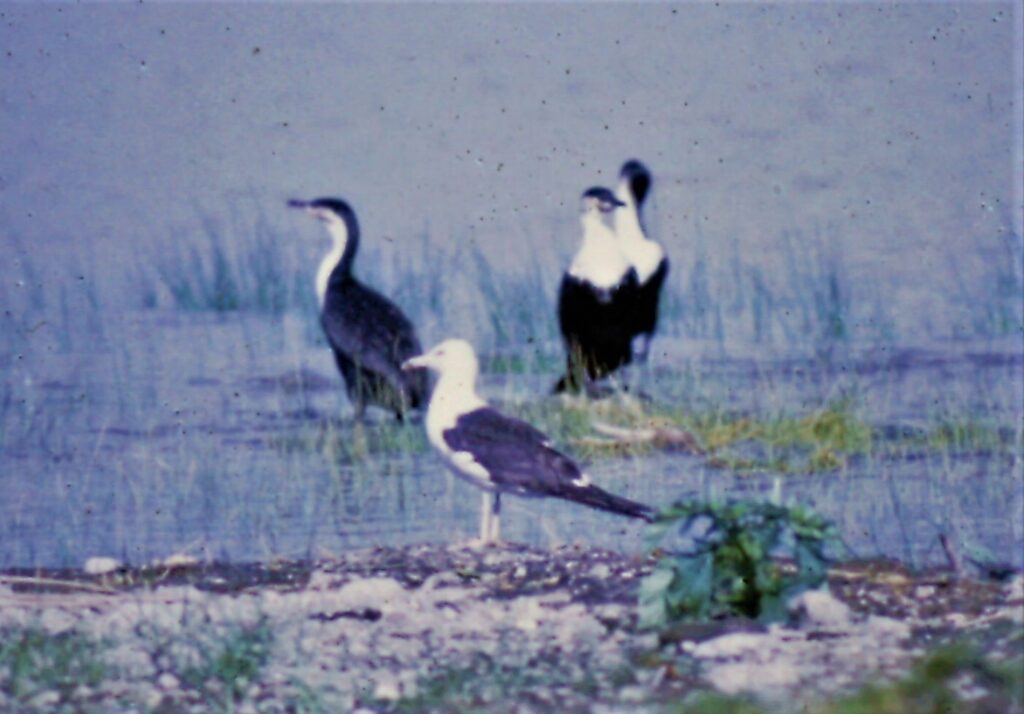
The larger gulls can be both intriguing and exasperating with their complex moult sequences and taxonomy. I set out my views on the Lesser Black-backed group (shared by the late Ian Wallace) in ‘Taxonomic Teasers’ (2022). I first came across Baltic Gull (nominate fuscus) in the Ethiopia rift valley (damaged image below) and could not believe how different it was from the ‘Lesser Black-backs’ I was familiar with. Adults at Brora, Sutherland and many in the Baltic reinforced my view it deserved specific status.
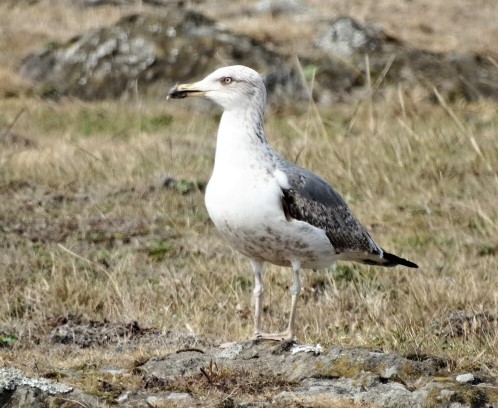
A more puzzling immature gull arrived on Santa Maria in March (above right). It was larger, ‘rangier’ and longer-billed than Azores Gull and similar in structure to Caspian Gull, but the second year-type upperparts conflicted with the remnants of juvenile plumage on the lower belly. Ian Wallace had sketched similar birds in Oman which were undoubtedly Heuglin’s Gulls (pers. comm.) and, as this is the only one of the group that skips a year in the moult sequence (Olsen & Larsson, 2003), that explains the apparent ‘contradiction’ in this bird.
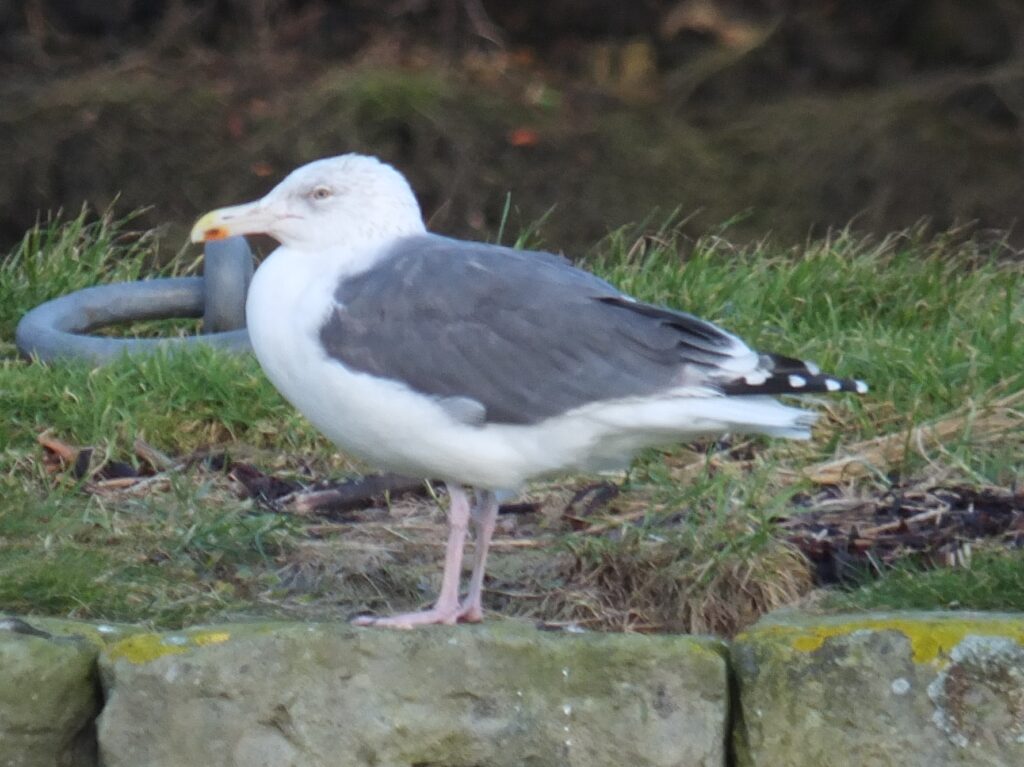
A larger, adult version of the Santa Maria bird wintered in Brora harbour, Sutherland in 2011/12 and was a perfect fit for Taimyr Gull from Siberia. The precise taxonomic status of this form is still uncertain, but it is under consideration by the BOURC as the first Heuglin’s Gull for Britain (although Vaurie (1965, p.469) was aware of a Scottish occurrence.
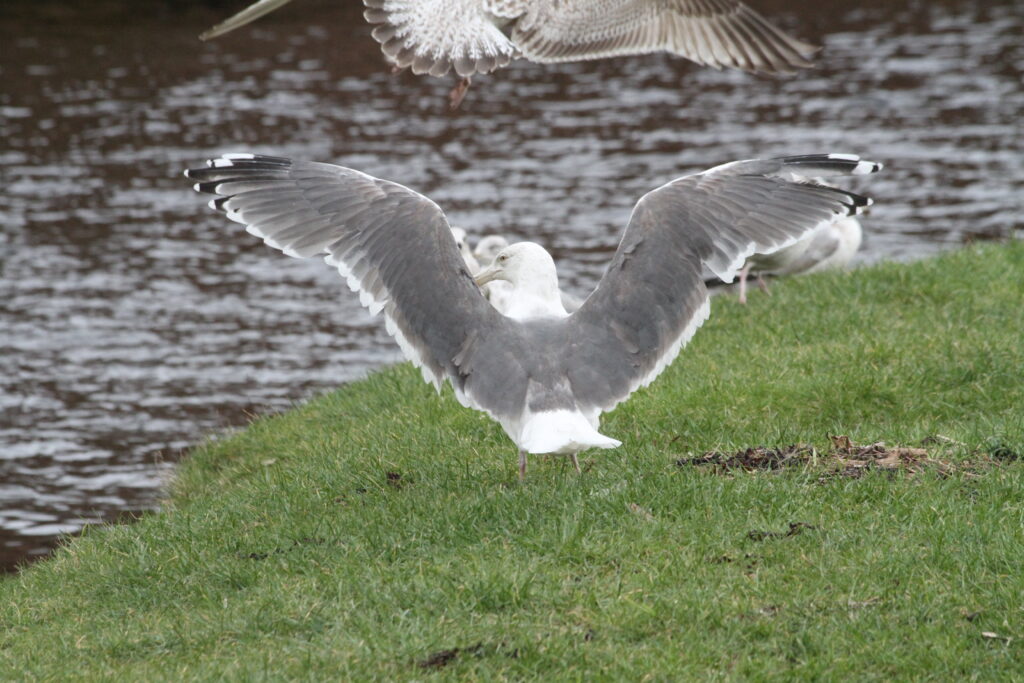
I have numerous images of Glaucous and Iceland Gulls, but the status of Kumlien’s Gull is also questionable. ‘Normal’ Kumlien’s is still considered to be a race of Iceland. The bird below arrived on Santa Maria in February 2014.
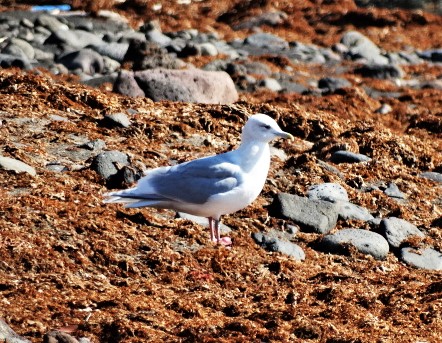
I saw two immature ‘Western’ Kumlien’s in Sutherland with blotched bodies and pale brown sub-terminal tail bands. These had more sloping foreheads than Iceland and seemed closer to Thayer’s in structure.
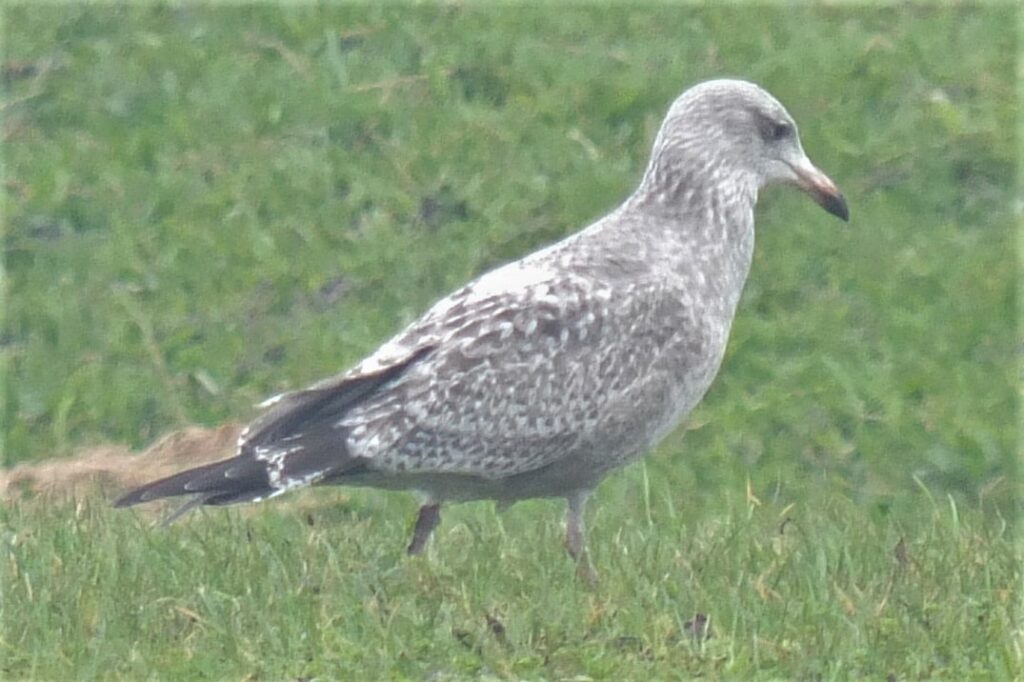
American Herring Gull, Ring-billed Gull and Bonaparte’s Gull occurred regularly in the Azores. One of several Americans was a ghostly, pale-mantled adult which patrolled the airport runway for ‘plane kill’, as it might have done at home. This juvenile was the only one to perform for the camera.
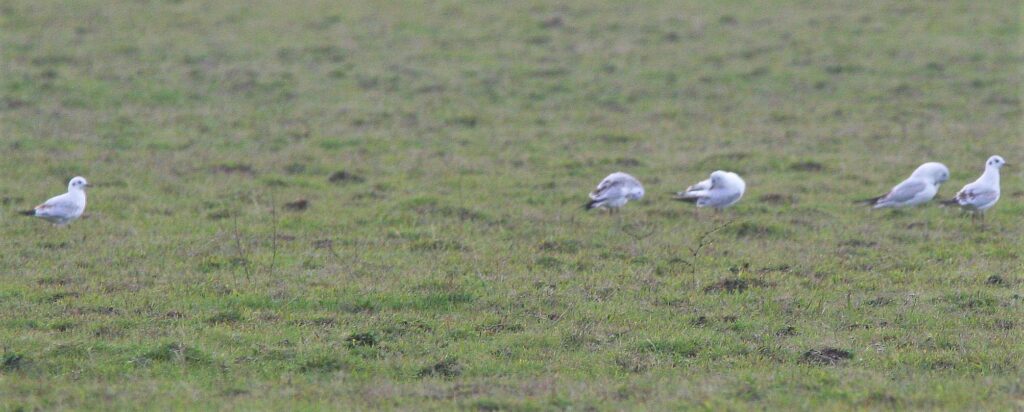
A flock of 7 Bonaparte’s on Santa Maria after a severe gale in early January 2016 was exceptional. They did not all leave together, but a party of three heading south-west had a first winter Black-headed Gull with them. Next stop Bermuda!
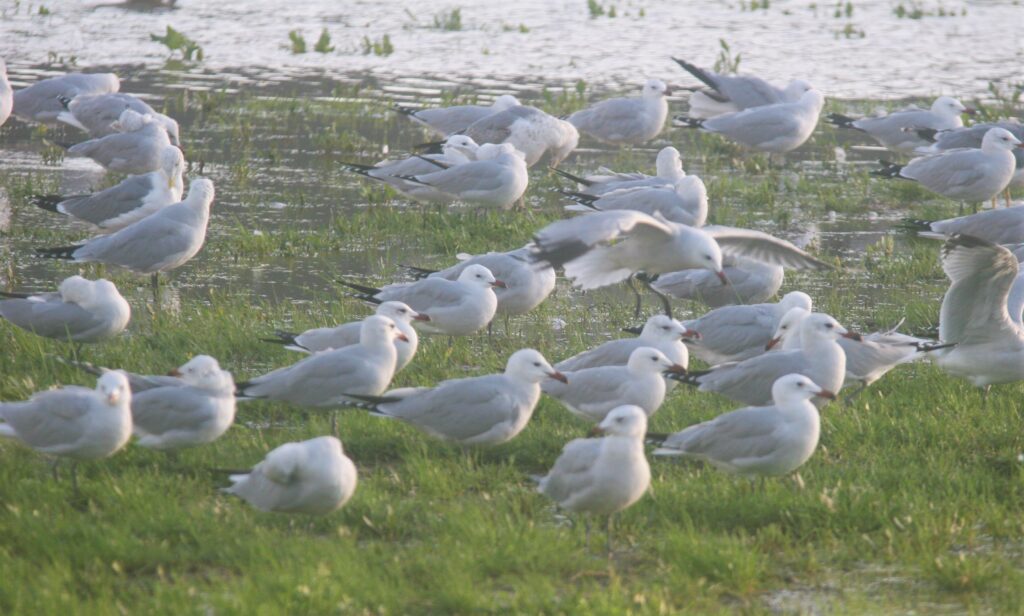
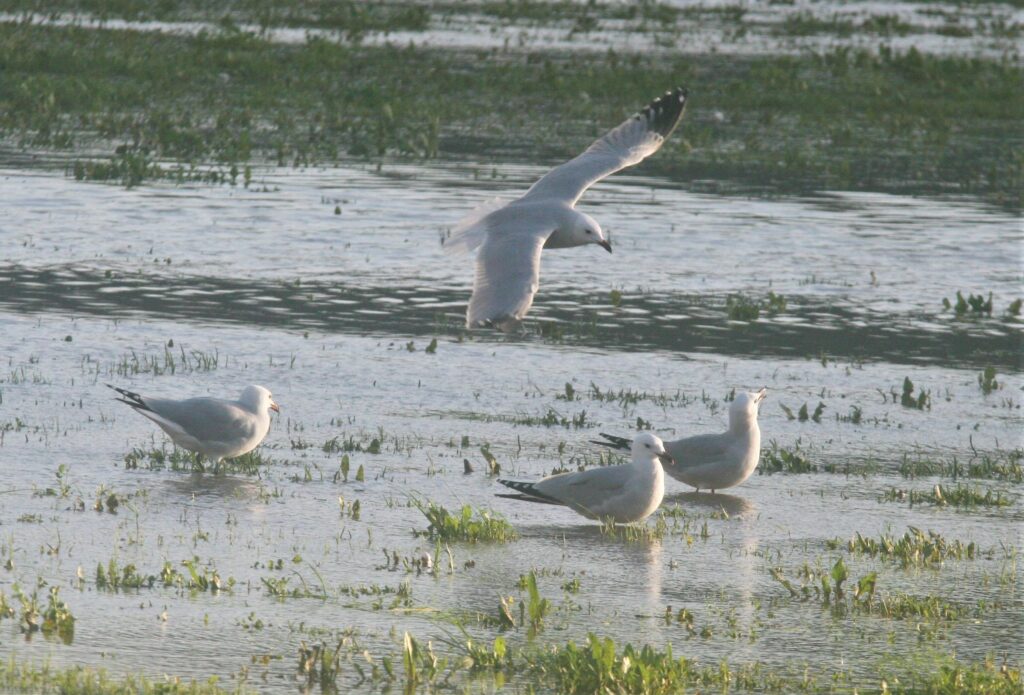
When I was living in Turkey in the sixties and wintering in Greece in later years, Audouin’s Gull was ‘endangered’ and something of a celebrity. I can therefore hardly believe the recovery the species has made. In the Algarve I have seen a ‘loafing flock’ of around 600 in the Alvor estuary and almost a hundred locally, on winter floodwater at Boca do Rio.
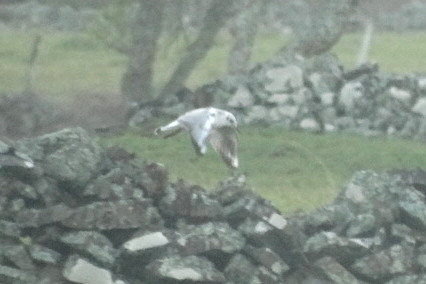
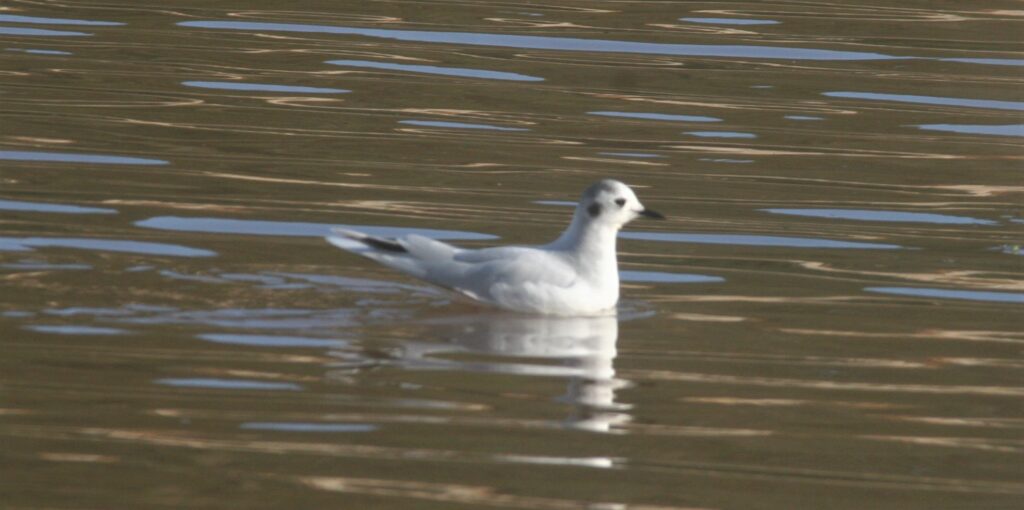
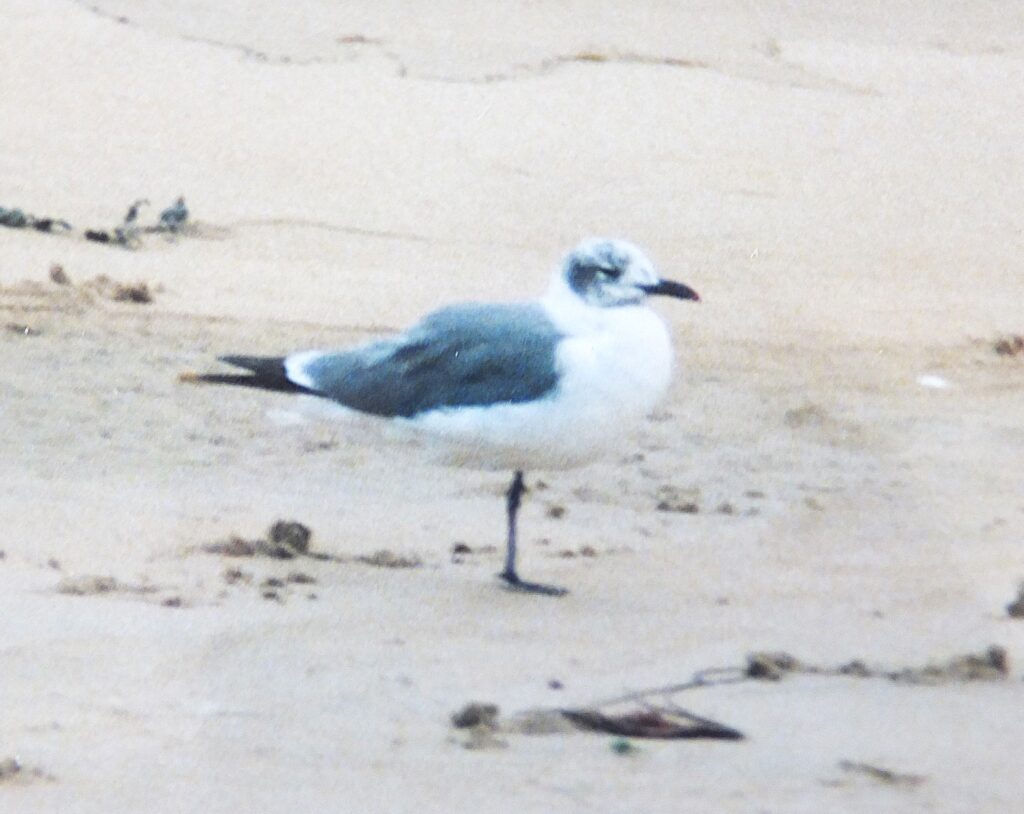
Little Gull is uncommon in the Algarve and this young bird (below left) was at the same location in December 2022. The Laughing Gull (below right) arrived at Brora, Sutherland in mid-August 2006 and stayed until October, exactly ten years after I had found one in Dornoch in mid-August, which also stayed two months.
Fly-by rarities off Salema have included single Kelp and Sooty Gulls in June (the latter after a huge sandstorm in the Gulf of Suez), Grey-headed Gulls from West Africa and an immature Franklin’ Gull in winter, a March Sabine’s Gull and, best of all, an adult Ross’s on 2 April 2024.
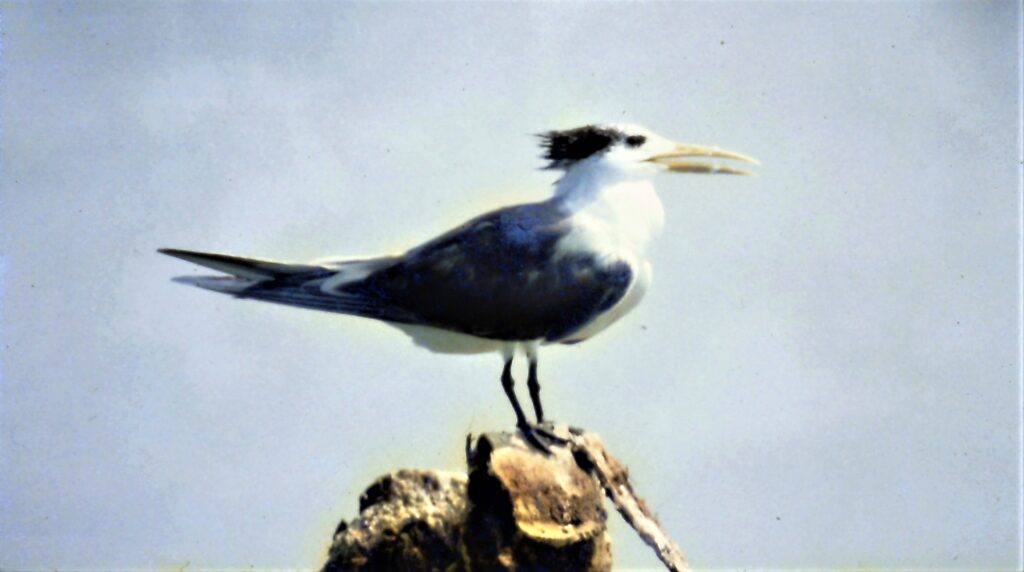
The African ‘race’ of Royal Tern and Lesser Crested Tern both wintered in the estuary of the River Gambia. Although I had not seen the Nearctic Royal Tern at the time, illustrations suggested it was nearer to Caspian in appearance, so I could not understand why the two forms were ‘lumped’. It was after the split was eventually made that I finally caught up with Royal on Lake Huron near Tobermory. The red bill lacks the dark tip of Caspian.
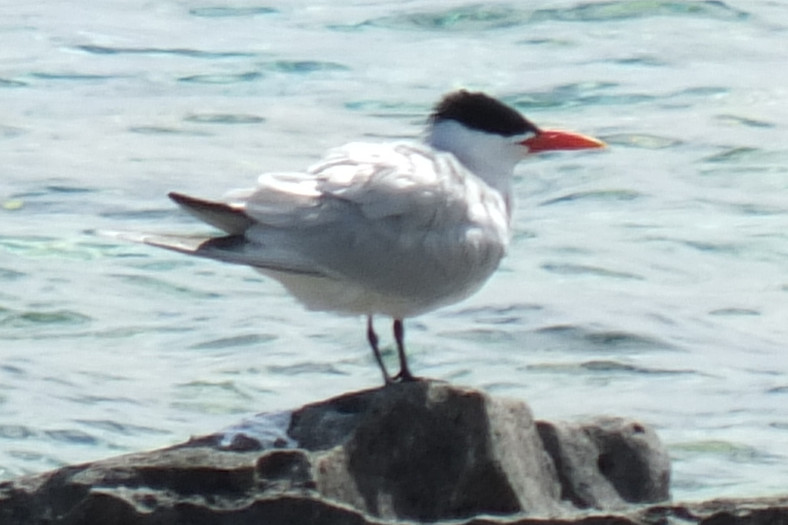
Of similar size is Swift Tern from the Sub-Continent and southern Asia. These birds were photographed in Sri Lanka.
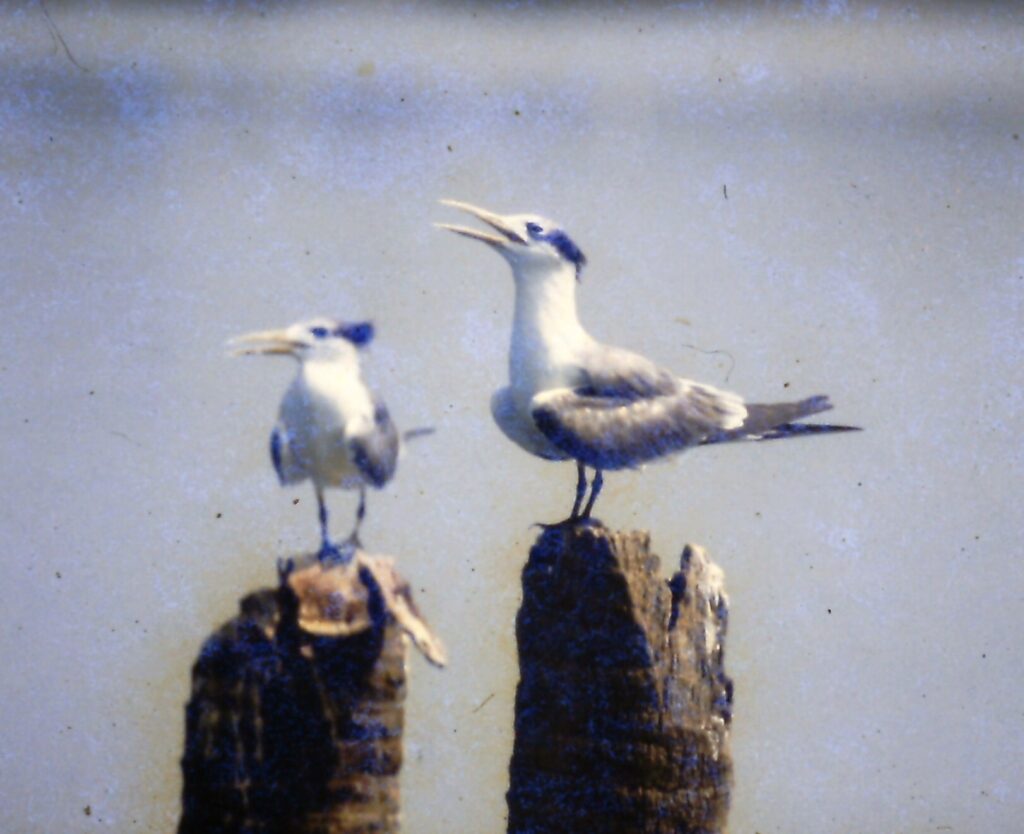
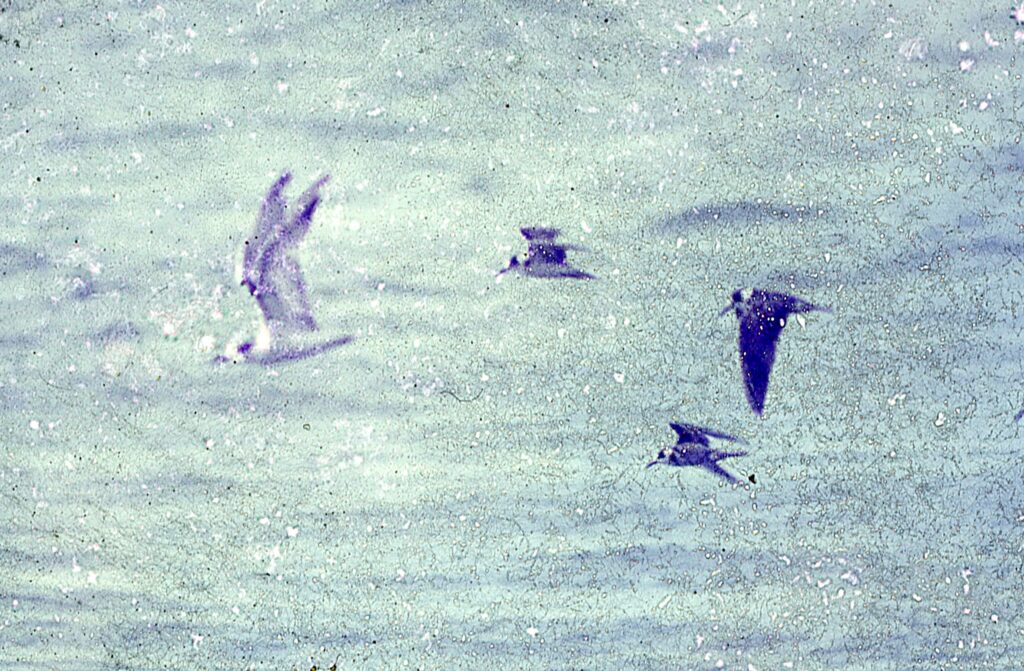
Even a seriously damaged transparency can prove useful. This image of a ‘mystery’ tern with Black Terns in the estuary of the Gambia River in 1965 was shown in its pristine state to James Ferguson-Lees by Philip Stead, but the bird remained unidentified. With today’s greater knowledge of Nearctic birds, it is obviously a first summer Forster’s Tern, the first (and only) Gambian record.
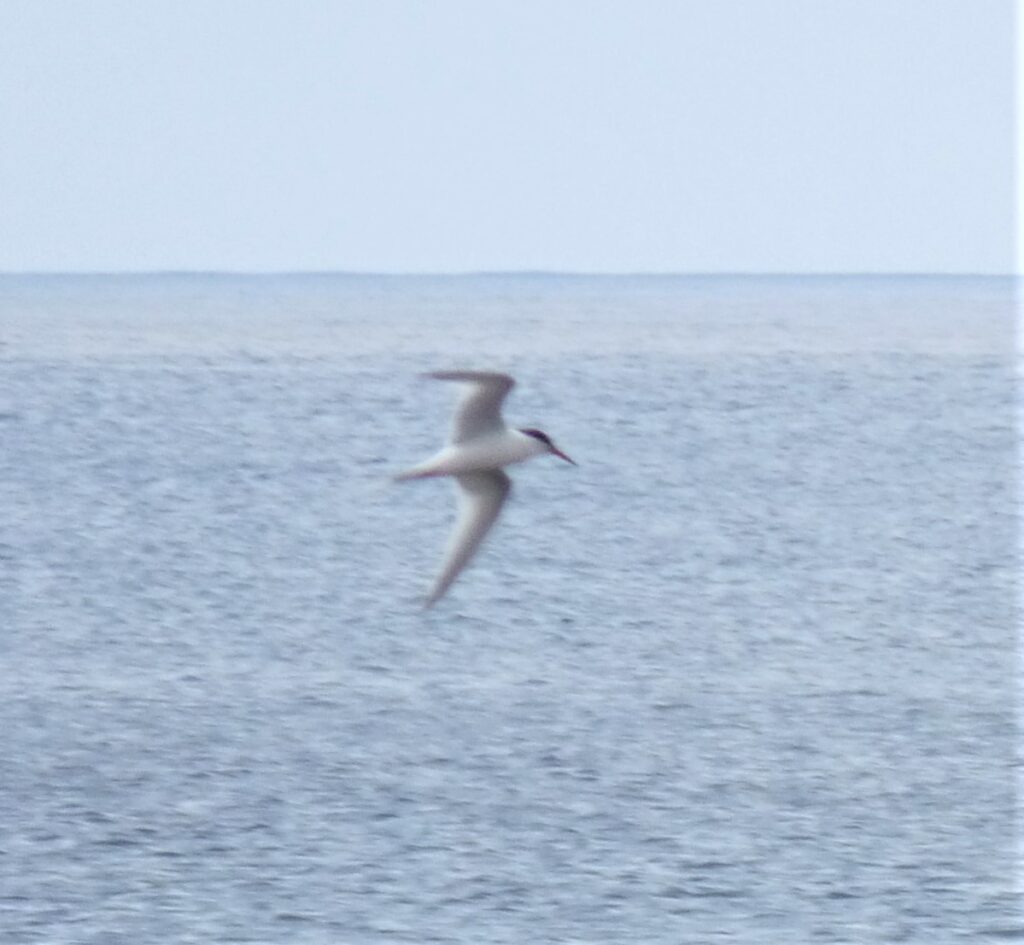
On my only visit to Florida, the bird below was begging to be photo’d. An American birder later approached me and asked if I’d seen anything. I mentioned the tern. “I’m so glad you said that. I’ve been coming here for thirty years and I’d never seen a Forster’s Tern!”

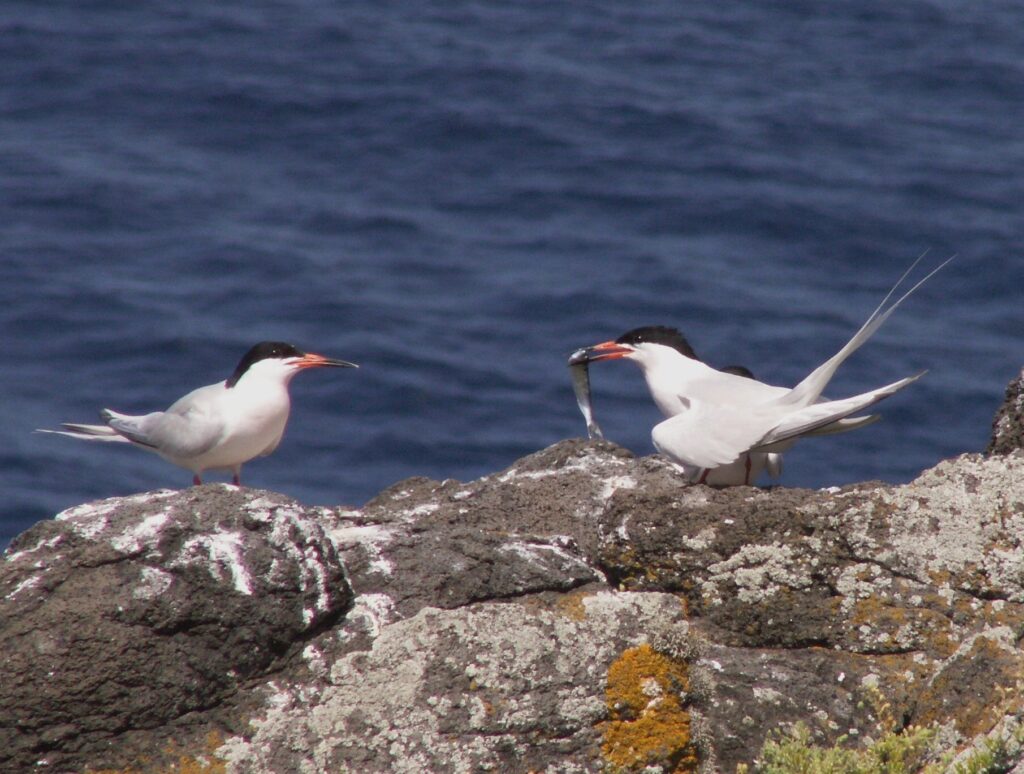
Just off the coast of Santa Maria there was a small islet with breeding Roseate Terns and, in most years, one or two pairs of Sooty Tern (the only site in the West Palearctic). Roseates sometimes followed fishing boats back into Vila do Porto harbour.
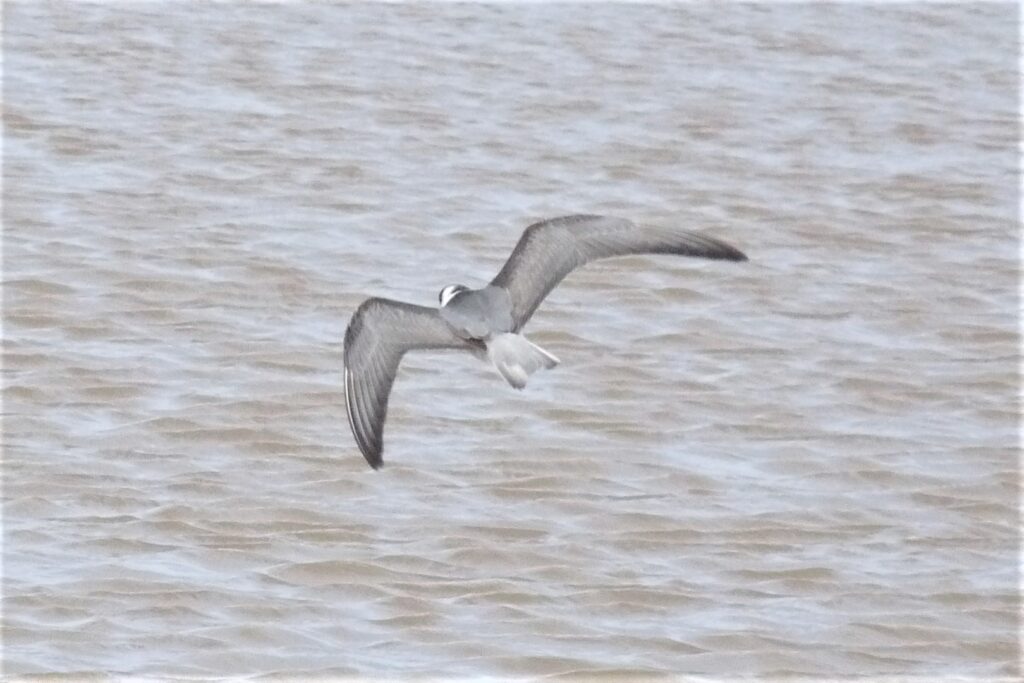
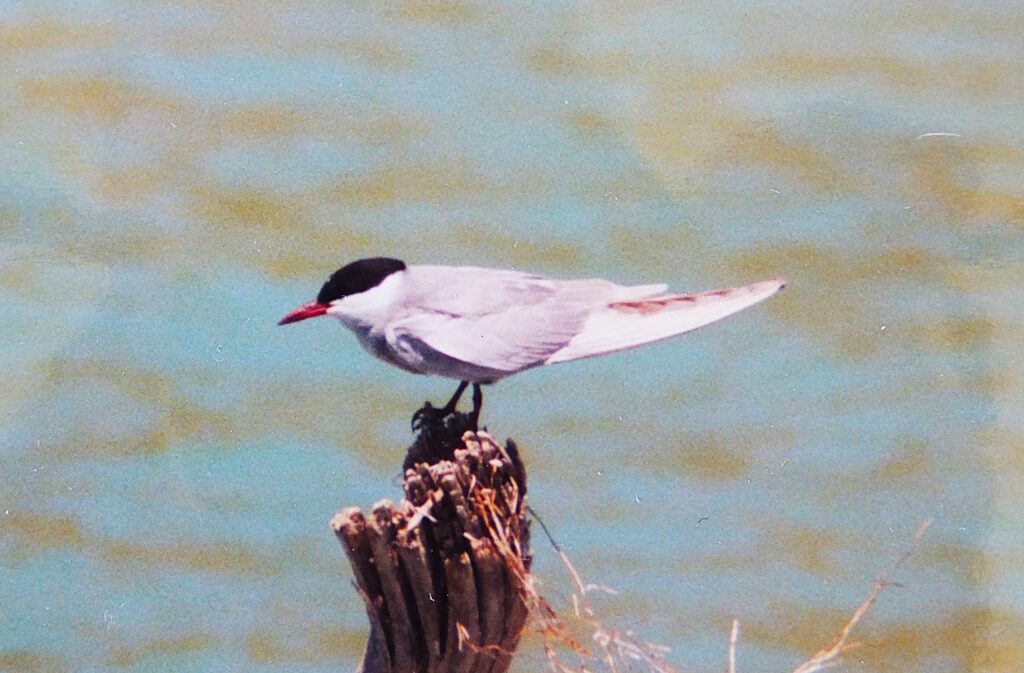
Apart from a mid-winter Whiskered Tern in a westerly gale, the only marsh tern I saw on Santa Maria was this White-winged Black (below left) which stayed on the island from January to March. The adult Whiskered Tern (below right) was in eastern Crete.