Larks, Pipits and Wagtails
The north-eastern ‘panhandle’ of Cyprus is one of Europe’s migration hot spots and can produce rarities at any time of the year. In early March 1996 I visited the tip of the peninsula, Cape Andreas (Zafer Bürnü since the Turkish invasion) twice. Following a heavy snowfall in central and eastern Turkey on the 8th there was a male Pine Bunting there with two Yellowhammers, both Cyprus rarities. Even better, the following day there were two Shorelarks of the eastern Anatolian race kumerloevi, only the second record of the species for the island and the first of this race. None of my photos of these three species have survived but, fortunately, are preserved in Cyprus Ornithological Society publications.
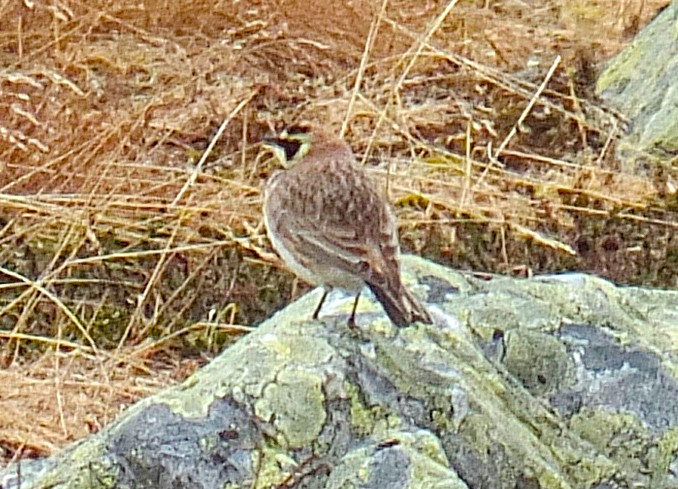
During my teens, Shorelarks were one of the winter treats on offer at Teesmouth. I last encountered them on their breeding grounds in Lapland in 2012.
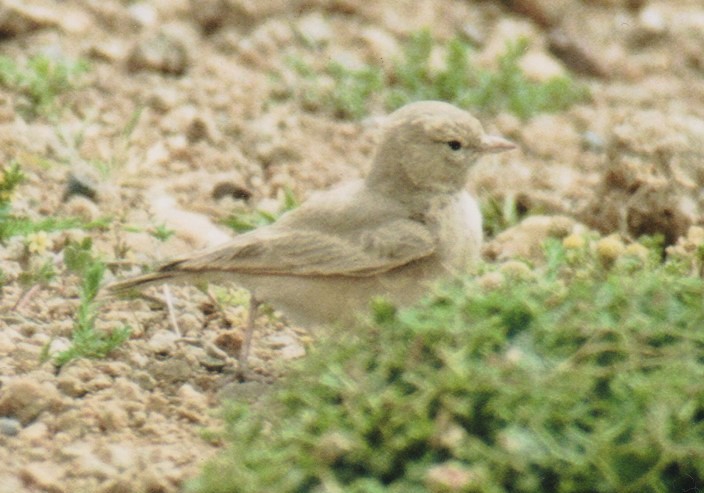
In mid-April 2000 I was able to visit Cape Andreas in Cyprus more regularly. In an easterly gale on the 13th there were six Bimaculated and a Lesser Short-toed Lark. On the 19th there were two Bar-tailed Larks and a pair of Trumpeter Finches. By the 22nd there were no less than 4 Bar-tailed Larks, plus a Pale Rockfinch and hundreds of other commoner migrants. I had to drag myself away!
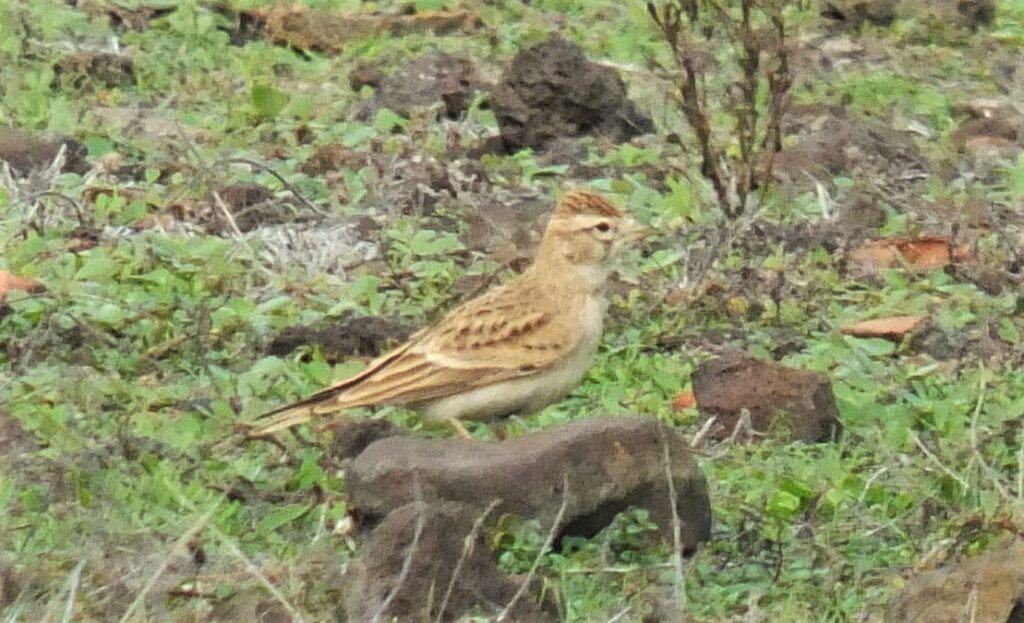
Short-toed Lark is common throughout the Mediterranean region but had not been recorded from the Azores. I found it to be a regular late autumn visitor (October/November) to Santa Maria. This individual was at Anjos, where Christopher Columbus first made landfall after his epic pelagic, in October 2013.
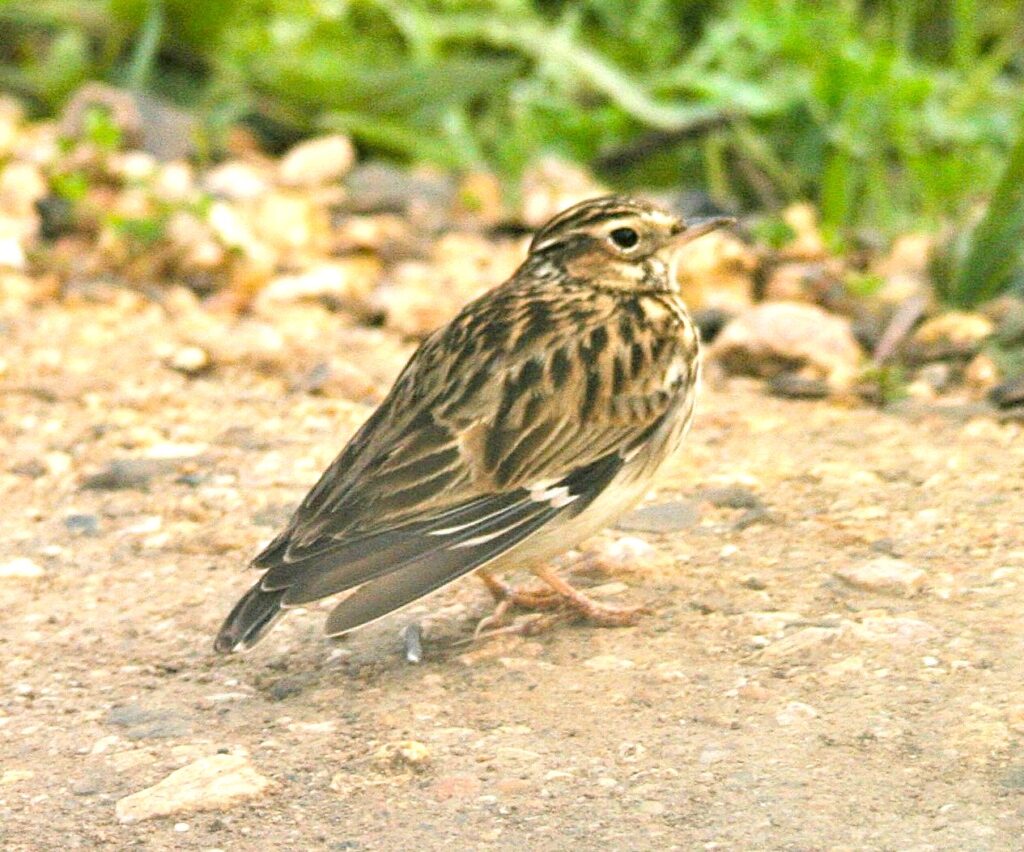
When the late Ian Wallace was in Jordan he encountered ‘look-alike’ Thekla and Crested Larks (pers. comm.). I sent him the photo of Thekla below and he was amazed how different they were in Iberia. Apart from the greyer plumage of adults and more prominent head markings, I have found the shorter, more finch-like bill of Thekla the most useful distinguishing feature. There is no such problem with Woodlark (below right).
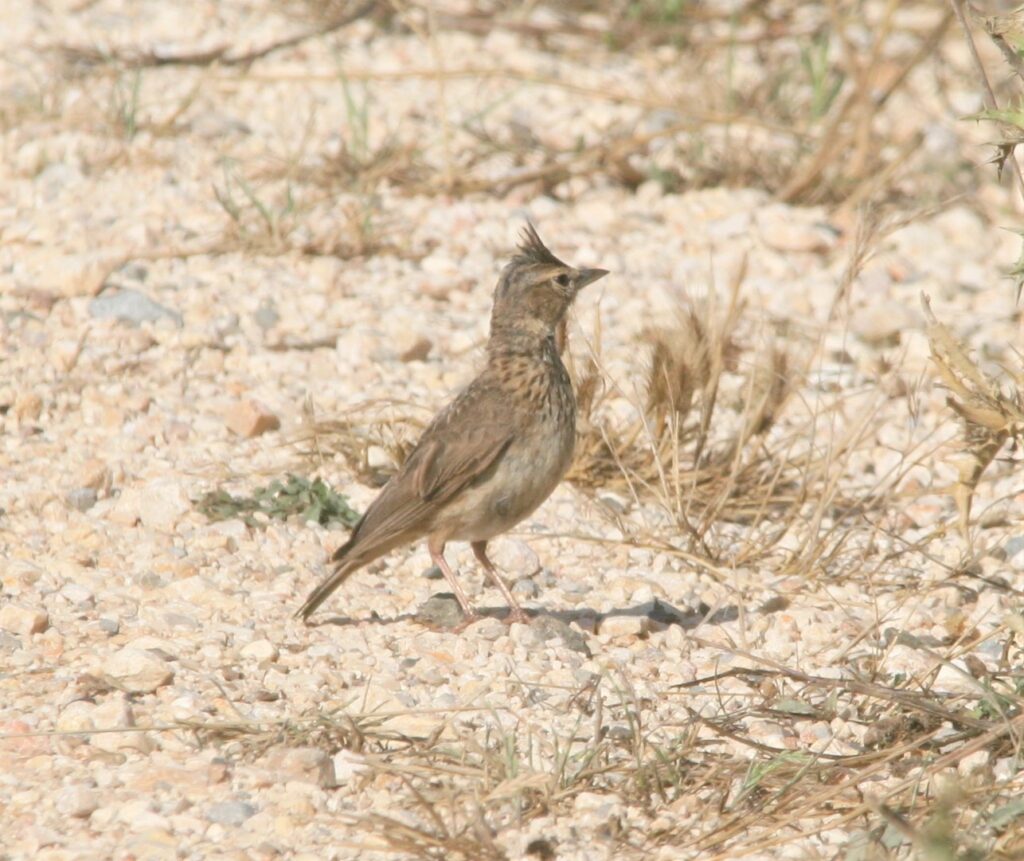
I saw several autumn Tawny Pipits during my visits to Tresco, Isles of Scilly and, more curiously, July birds at both Cley and Rhilochan, Sutherland. The species is declining in Iberia, but it still breeds near Cape St. Vincent and on heathland just north of my home, where this juvenile was photographed.
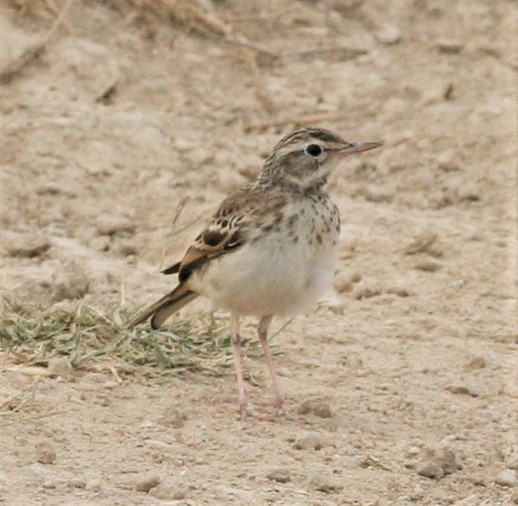
Red-throated Pipits passed through Turkey in large numbers on migration and a few overwinter in the east Mediterranean. The bird below left was in eastern Crete. A proportion of the population reaches West Africa in winter and a few pass through the Algarve in autumn, even reaching the Azores (below right).
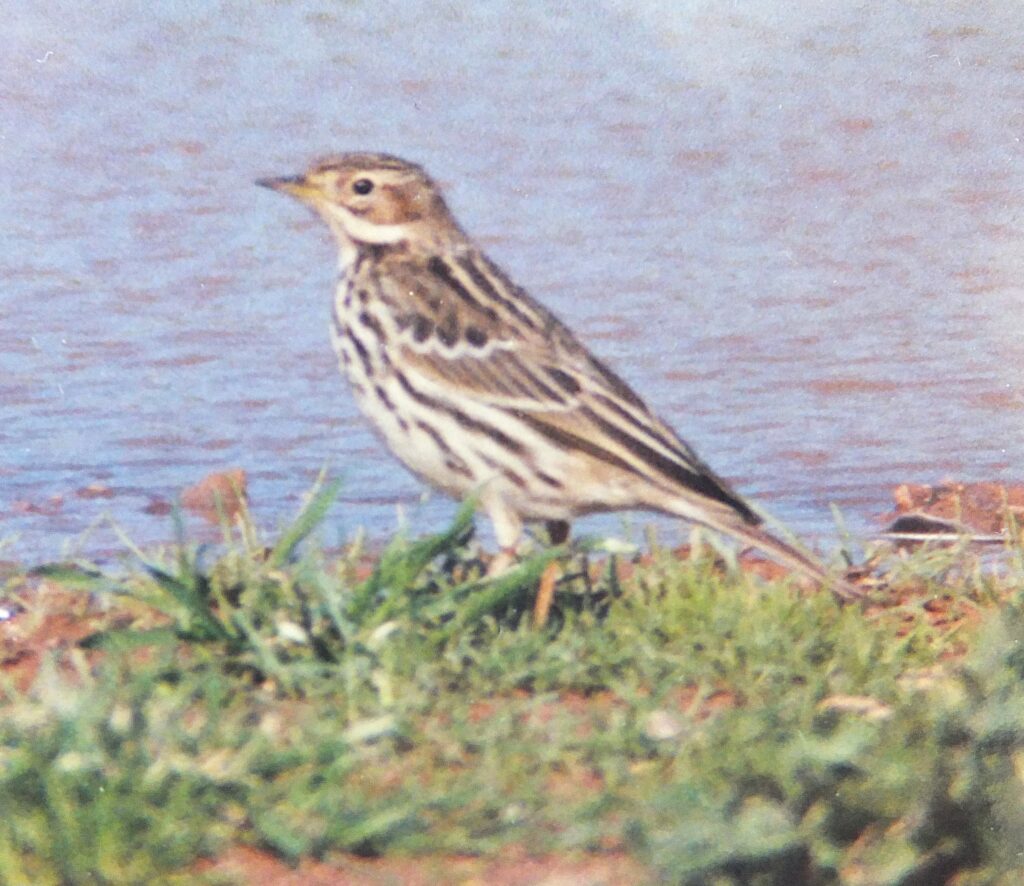
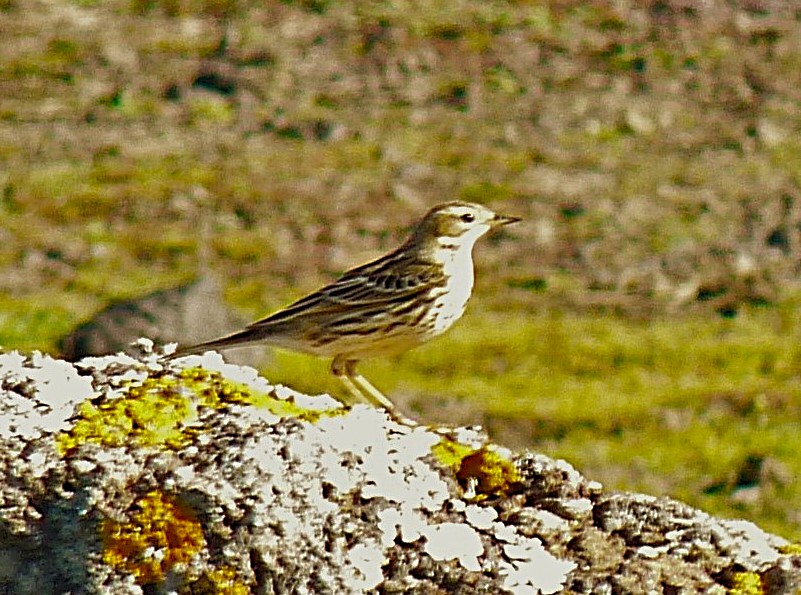
In 2025 I found two on the edge of newly ploughed land near Cape St. Vincent on 13 January.
Iberian birders, I am told, only identify Tree Pipit on call, which explains why the species had not been recorded in winter, when they are invariably silent.
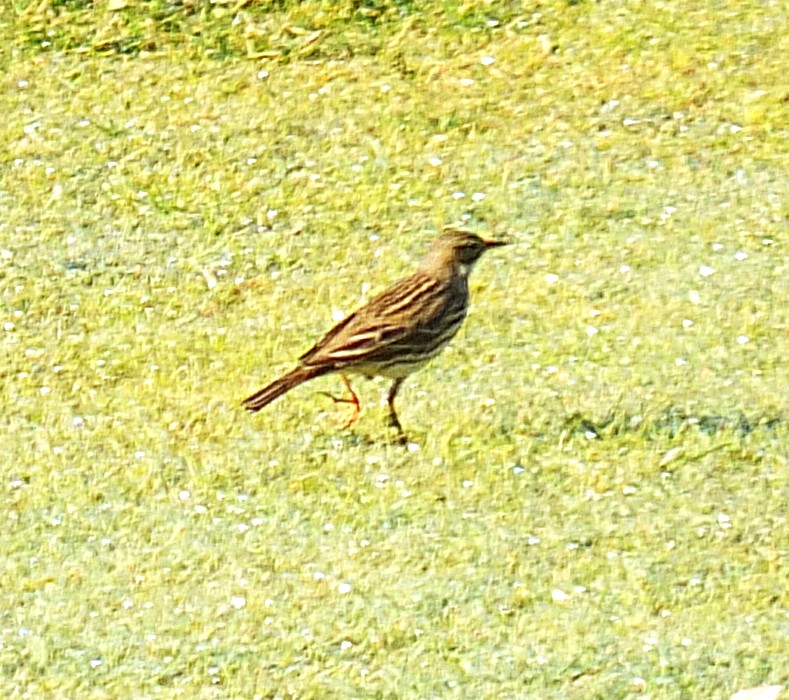
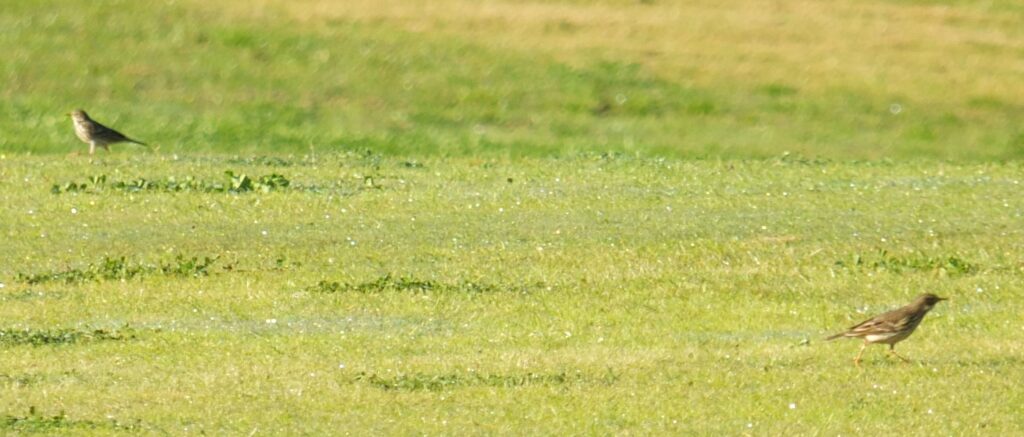
In the Algarve, golf courses provide the perfect winter habit as they like to feed on the short sward of the fairways and greens, unlike Meadow Pipits, which prefer the rough! It is easy to see the diagnostic curved hind claw in these situations (below left). Meadow Pipit has a long, almost straight hind claw better suited to its terrestrial habits. Tree Pipits stand taller than Meadow, which tends to crouch when feeding, and stride purposefully. Whilst Meadows are usually in fairly tight flocks, Tree Pipits keep their distance from each other, as in the photo below right. In late December 2016 there were no less than 34 on my local golf course and I have seen smaller numbers there in each winter since.
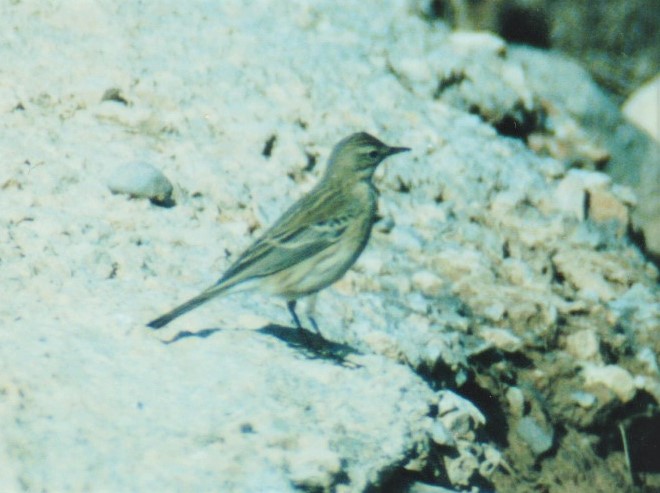
In 2004/05 I spent the winter in eastern Crete and occasionally visited Xerokampos, at the south-eastern tip of the island. There is a shallow sandy lagoon backed by saltings which attracted wintering Water Pipits (and Greece’s first littoralis Rock Pipit). On 23 November I was checking a rocky pool at the mouth of a seasonal stream when two birds flew in: a stunning beema Yellow Wagtail still in summer plumage, which left immediately, and a pale Water Pipit, which then stayed for several weeks. It never associated with the nearby Water Pipits and when disturbed, skulked under the fringing tamarisks. It was the first Caucasion Water Pipit for Greece, and probably Europe.
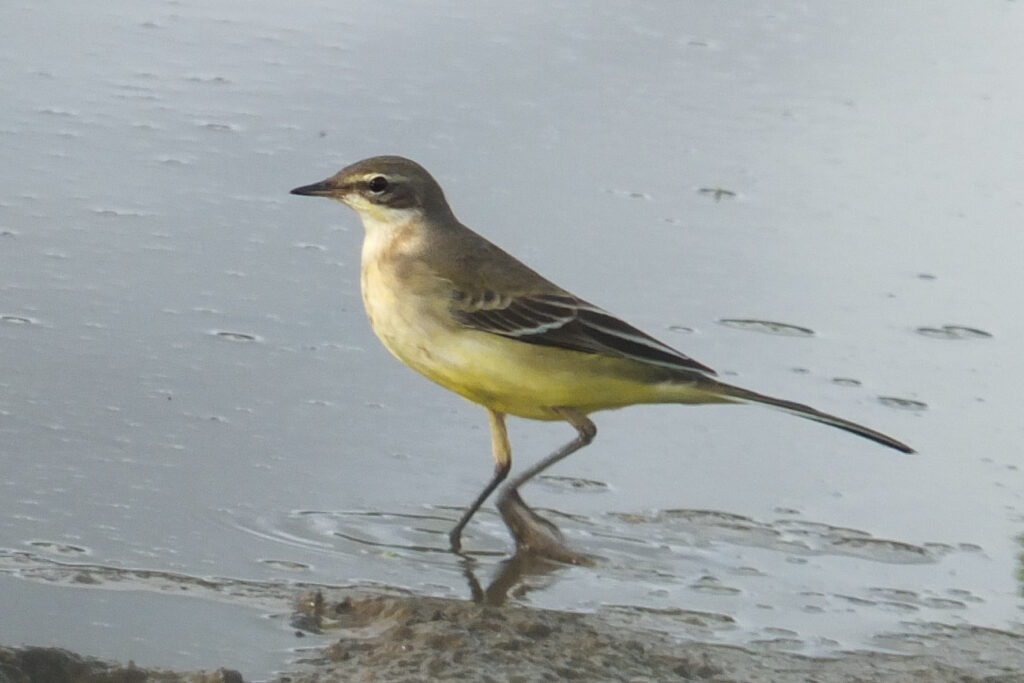
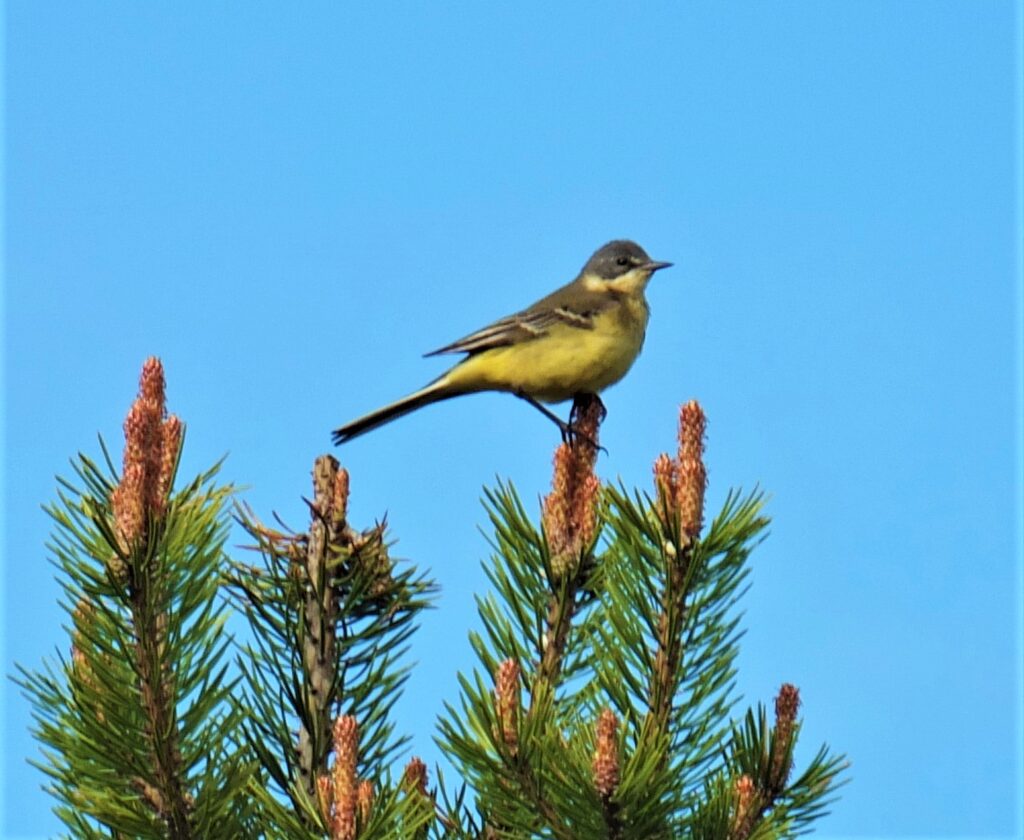
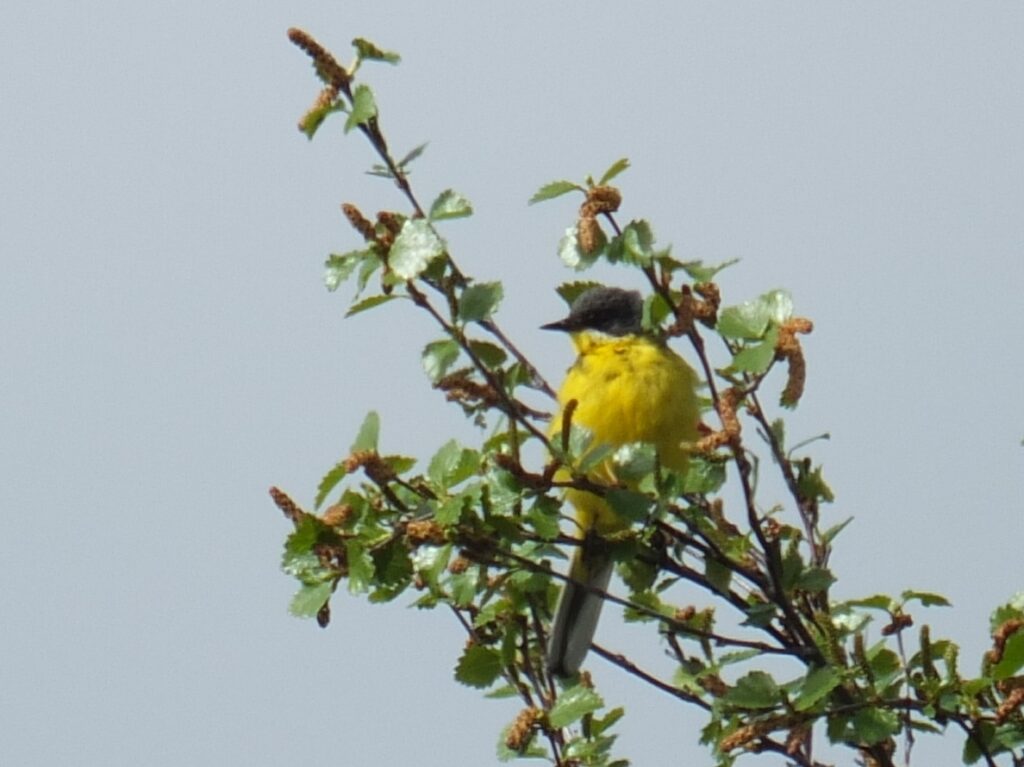
The origins of migrant Yellow Wagtails in non-breeding plumage can be hard to determine, but some males retain enough plumage in autumn to racially identify them, like the Spanish form which reached Santa Maria in late September 2012 (below left). The Grey-headed Wagtails in Lapland posed no such problems (below centre and right).
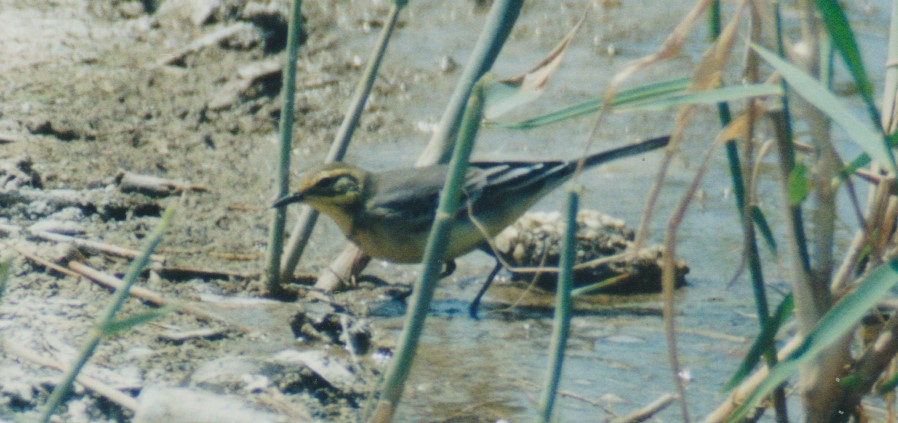
On Santa Maria on 13 December 2013, a Citrine Wagtail came in from the north and dropped down to a hidden pool below the airport escarpment. I saw it again by a pool south of the airport five days later. What was presumably the same bird briefly visited my garden pool in the east of the island on 24 February 2014, so it had probably spent the winter investigating the numerous cattle ponds on the island. I wasn’t able to photograph it but found this bird in south-eastern Crete in early April 2005, only the second record for the island.