Starlings and Crows
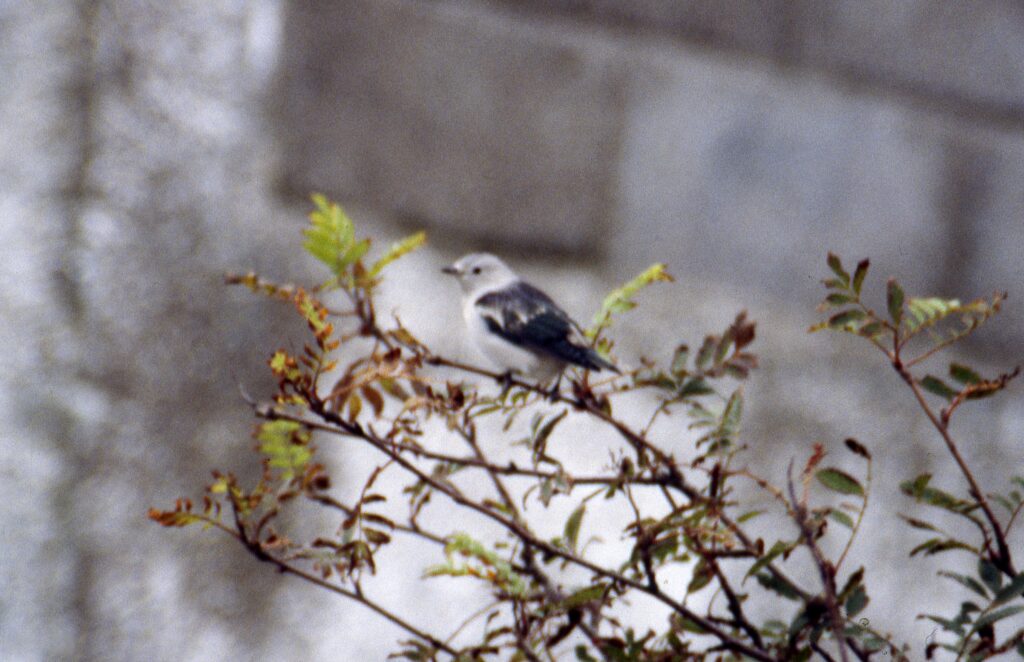
Durness, at the north-western tip of mainland Scotland, resembles a Northern Isle, bordered by sea and, in this case, a hostile mountainous hinterland. It is therefore the best place in Sutherland to find rare migrants. In a strong easterly in late September 1988 I made the long haul from Brora (on single track roads) and was rewarded by an immature male Daurian Starling with newly arrived Starlings, probably ex-Russia. It could not be found the next day but was seen by a crofter about twenty miles to the south, who recognised it from my photo in the local newspaper. Several eastern rarities were found on the east coast of Scotland at the same time. Despite this, and a previous Norwegian autumn record, the ‘rare men’ in the BOURC accorded it only Category D status in the British List.
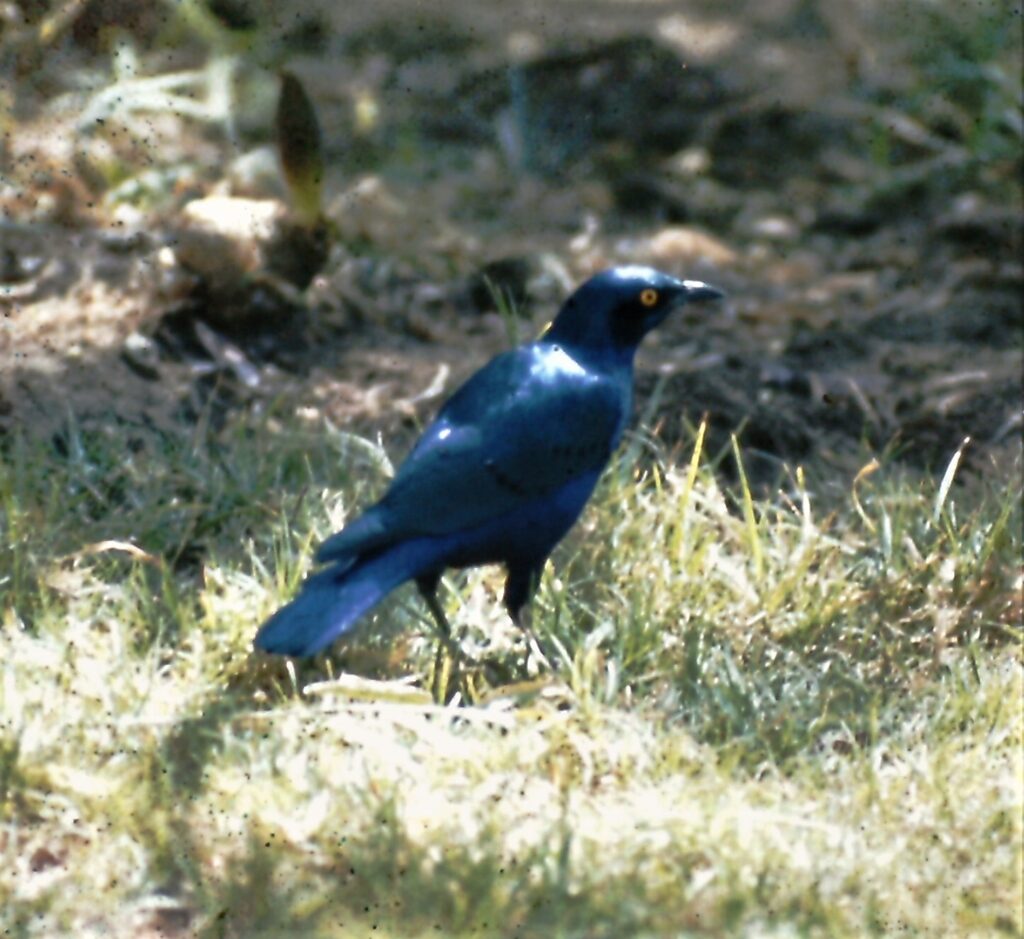
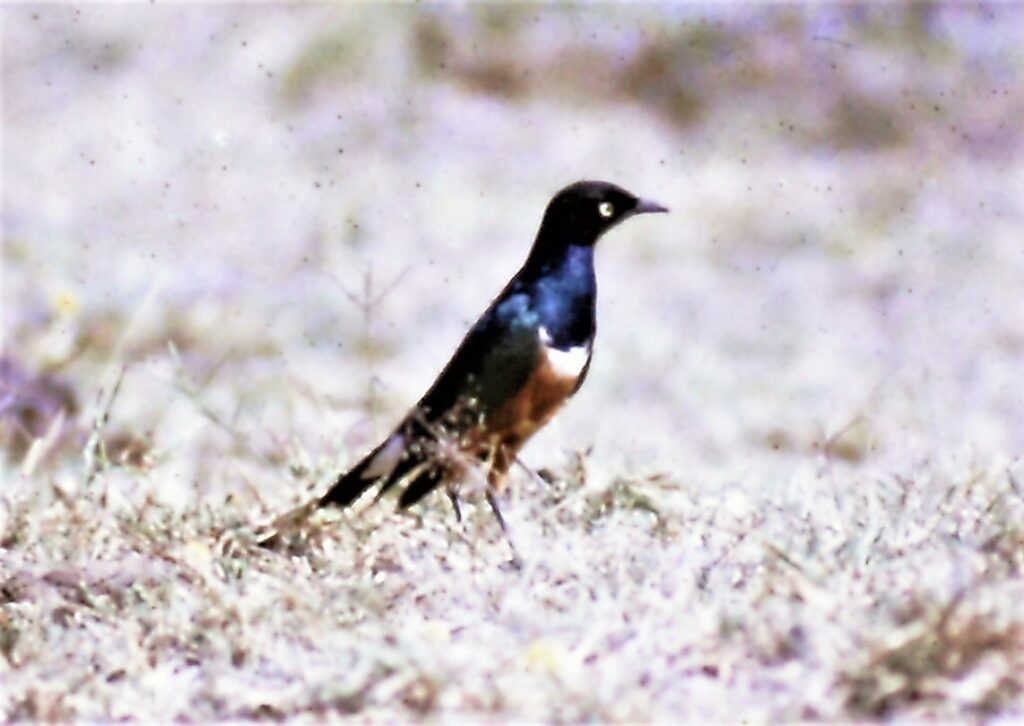
Other exotic members of the tribe are the glossy starlings in Africa, which come in many flavours. Blue-eared is the commonest one in the northern tropics; Superb Starling ranges more widely.
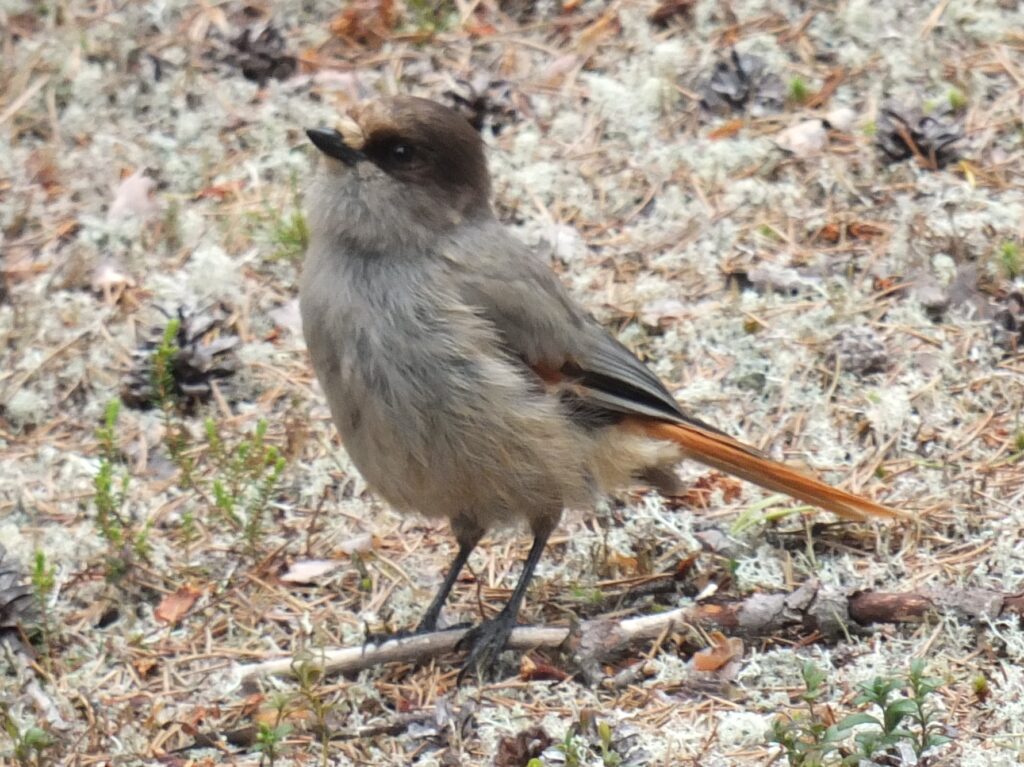
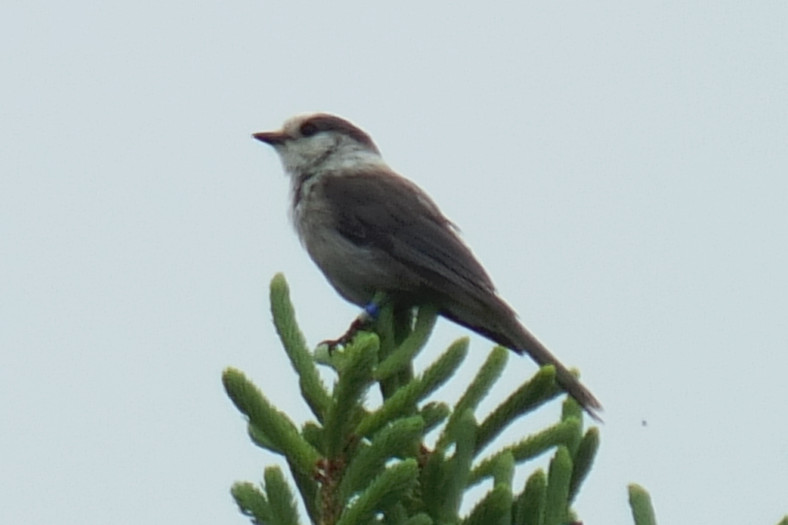
I thought I was going to miss out on Siberian Jay in Lapland but chanced on a confiding party by the roadside on my penultimate day in Finland. In Ontario I squeezed in the long haul north-east to the Algonquin National Park to see northern specialites at the southern limits of their range which included Black-backed Woodpecker and the Siberian Jay’s closest relative, Gray Jay.
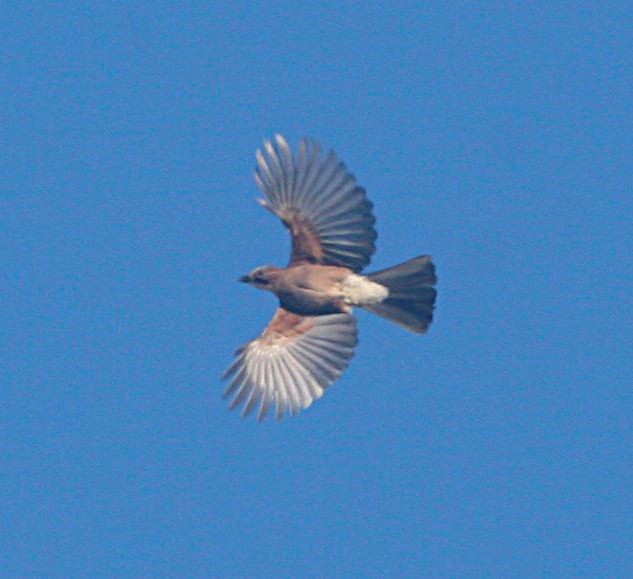
Jays were just colonising Sutherland when in left in 2009. I was surprised to find them resident in Lisbon city centre and they are widespread in Portugal. There is a small south-west movement over my house in the Algarve in late autumn.
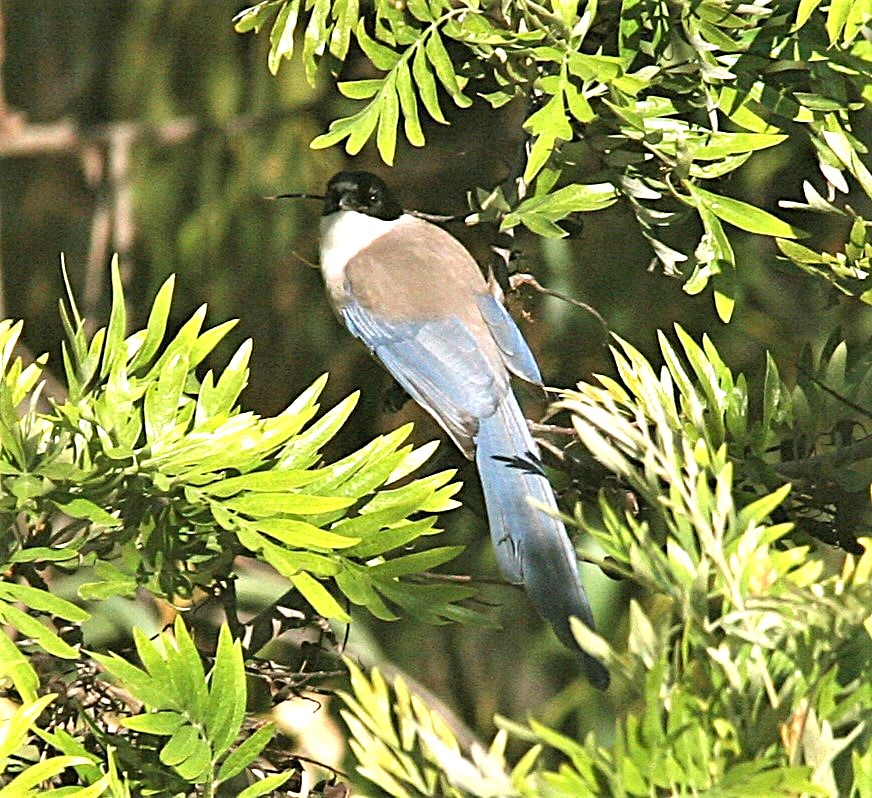
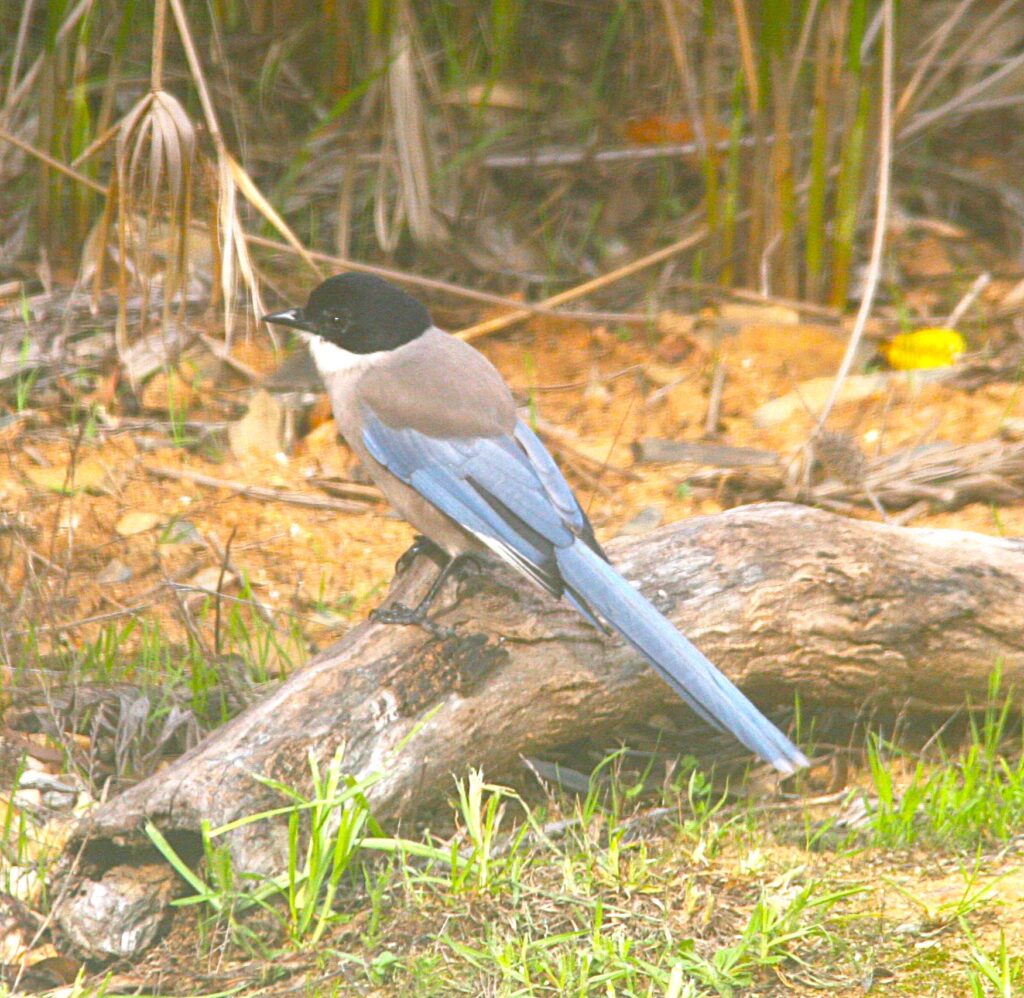
Since I first visited the Algarve in 1979, Azure-winged Magpies have become much commoner and are beginning to expand their range north and east. Once assumed to originate from birds brought back from the Far East by the early Portuguese navigators, fossil remains in the Rock of Gibraltar dating back a million years finally proved they are endemic to the region.
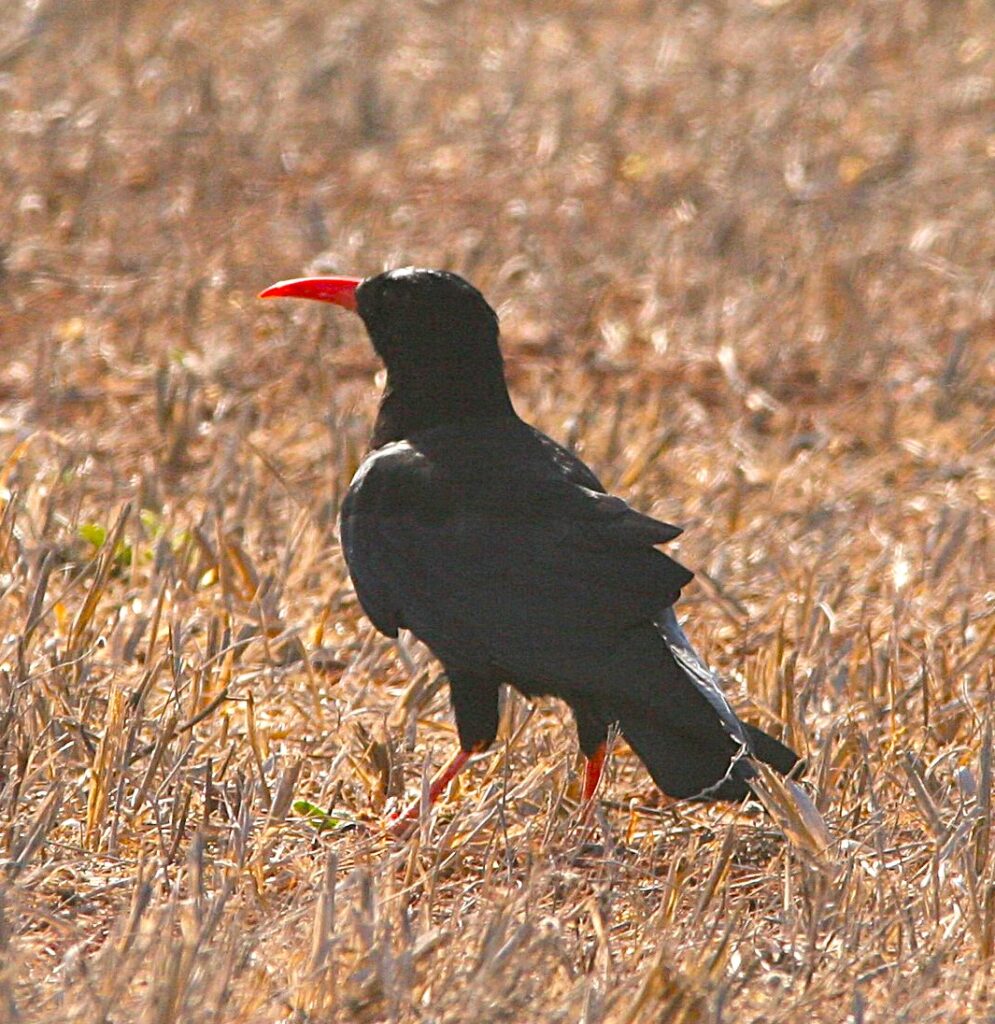
There is an isolated population of Red-billed Choughs around Cape St. Vincent which only stray a few kilometres to the east, to Vila do Bispo. I have seen single overfliers from my house (20 km away) only twice and suspect these were probably wanderers from more northerly populations in Portugal.
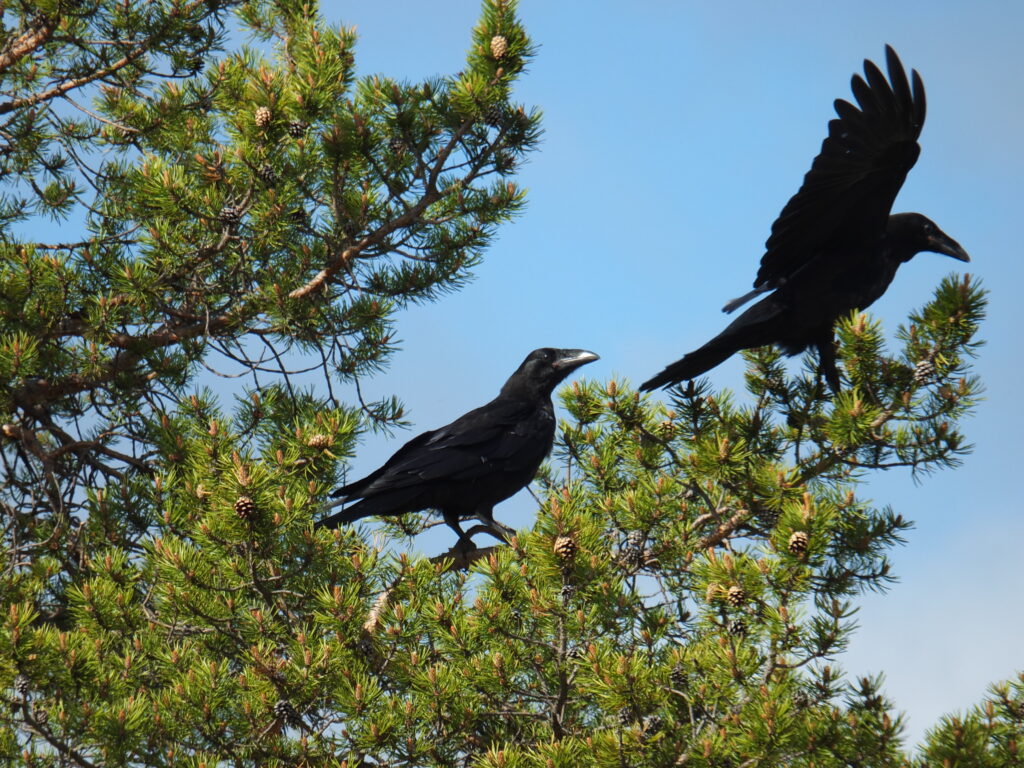
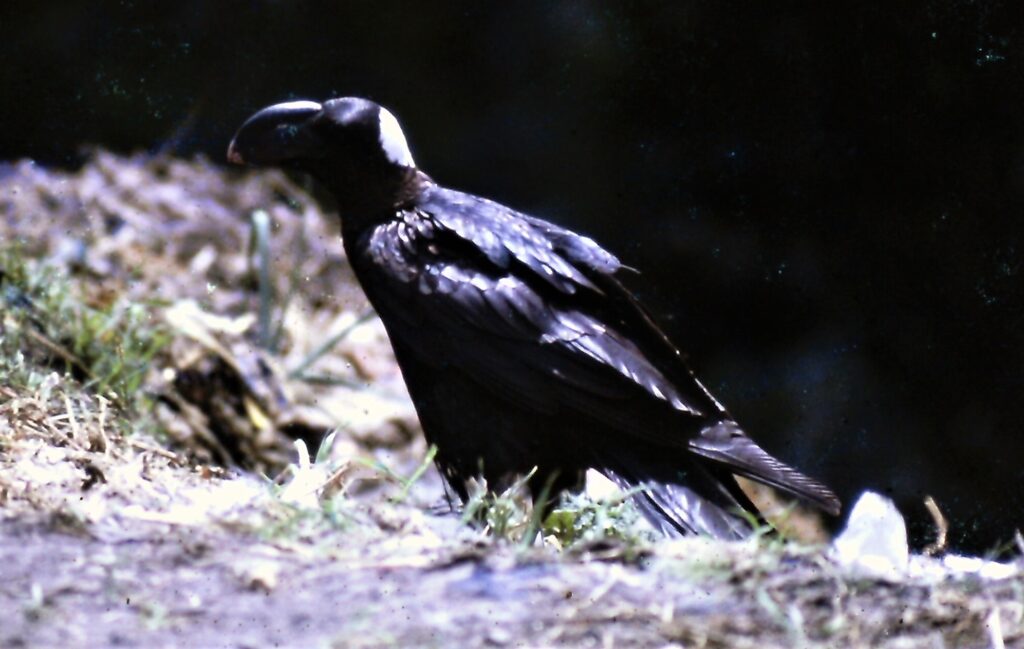
Ravens are resident in the area, too, although the pair below were photographed in northern Finland. The larger Thick-billed Raven was a common endemic in the Ethiopian highlands.
The first Brown-necked Raven for Europe flew east over my house on 27 April 2025 (also seen by Neil Sutcliffe over the nearby golf course) and returned the next day repeatedly giving its diagnostic call: a rather quiet note in between ‘caw’ and ‘cur’. It was an all-black adult, smaller than raven, with more slender wings (lacking obvious ‘fingers’), a less pointed tail and a thinner bill.