Wildfowl
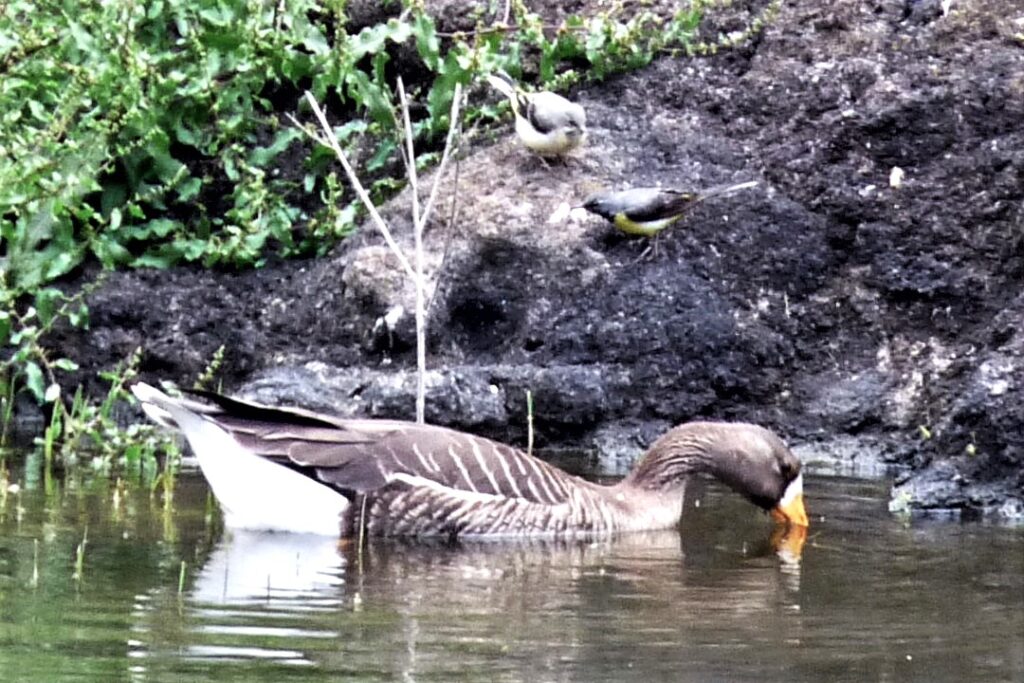
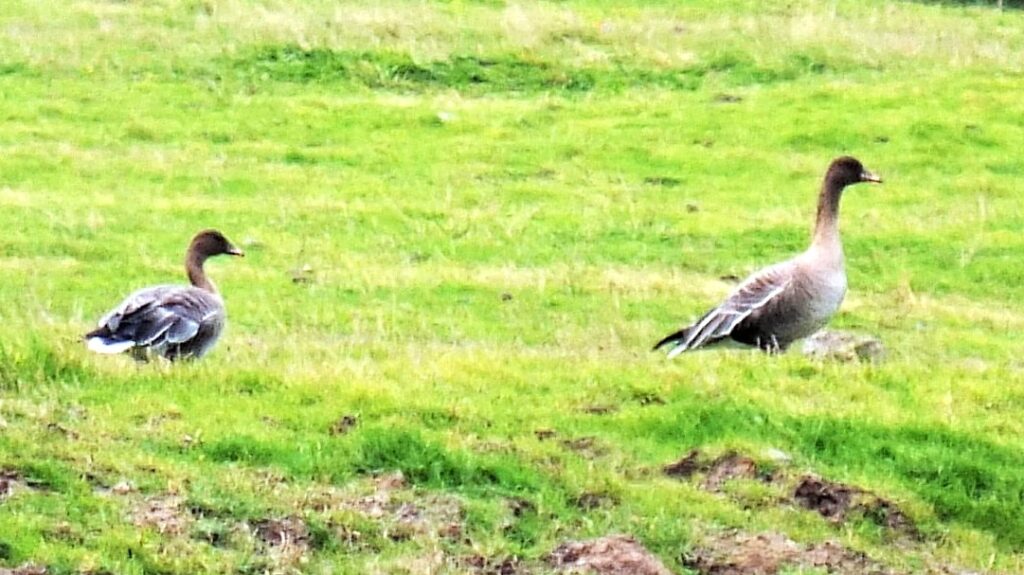
Geese of any kind are unusual in the Azores. This Greenland White-front (below left) was found on my arrival on Santa Maria in April 2009 and was the first for the archipelago. (Note the Grey Wagtails, which are common on the island, also occupying unusually dry habitats.) Two Pink-feet arrived in November 2012 and miraculously survived the whole shooting season, being last seen on 6 April.
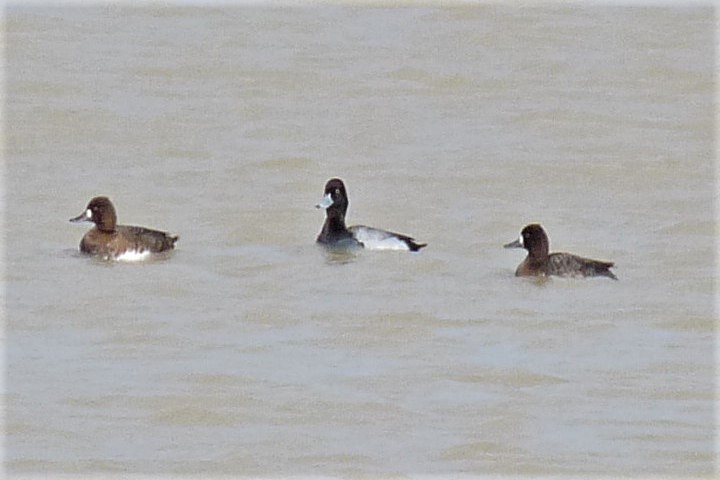
Nearctic ducks reach Santa Maria each autumn, some then overwintering. The small freshwater bodies there (mainly cattle ponds) provide some excellent photographic opportunities, including the juvenile Lesser Scaup (below) .
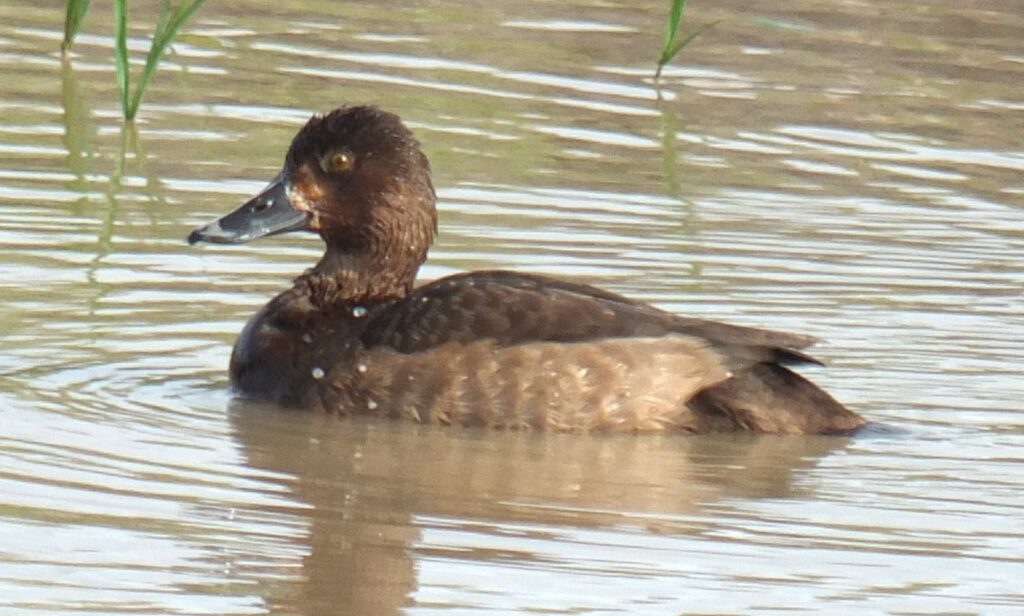
This species also occurs in spring, with three together in March 2010.
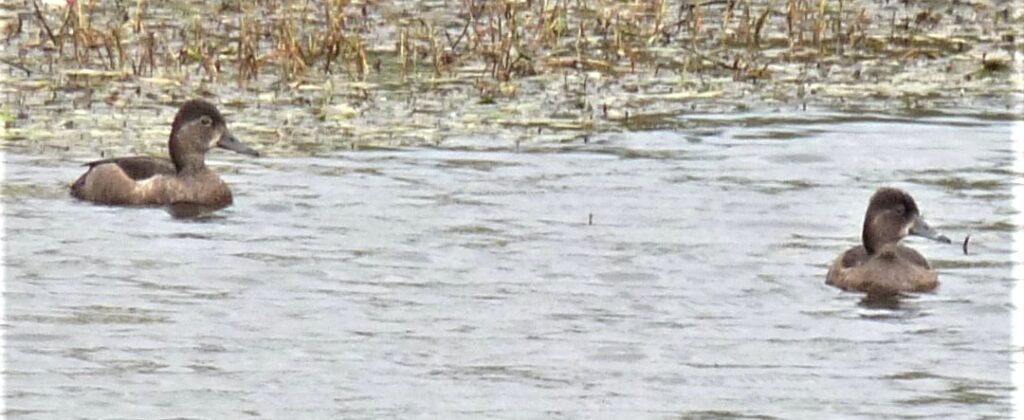
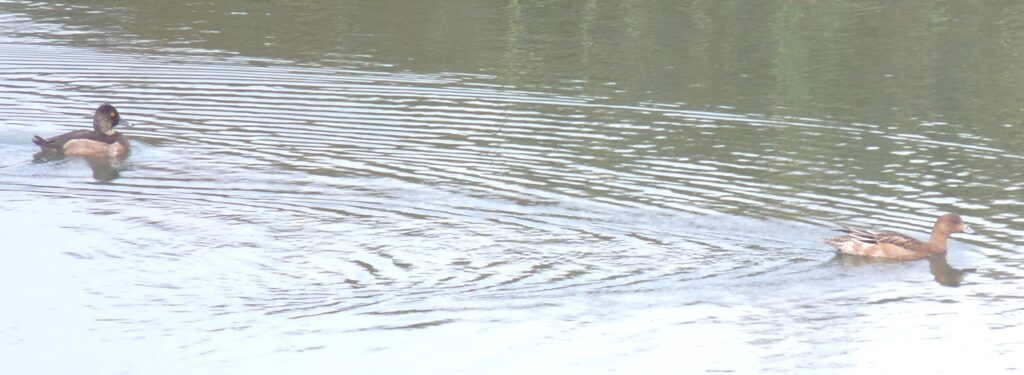
Ring-necked Ducks also occur annually. The two juveniles (below) arrived in early October, but the adult (with a Wigeon) overwintered.
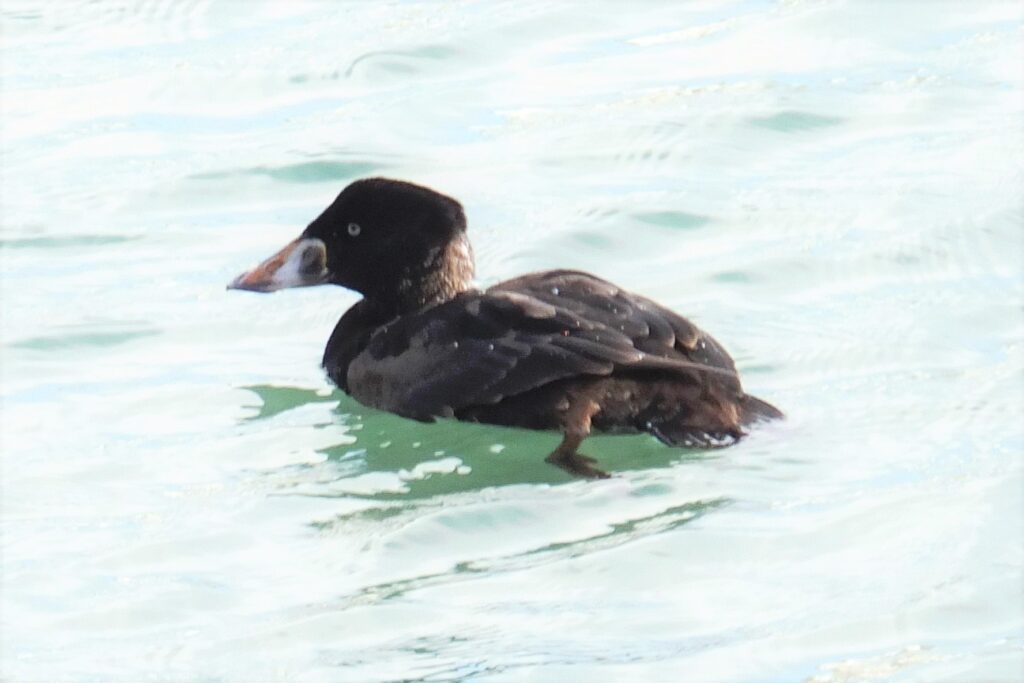
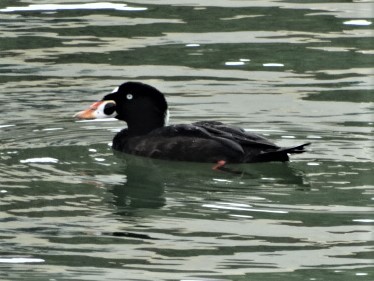
More unusual was the immature male Surf Scoter which arrived in Vila do Porto harbour after westerly gales in early January 2014 and stayed for seven months, moulting into its adult plumage.
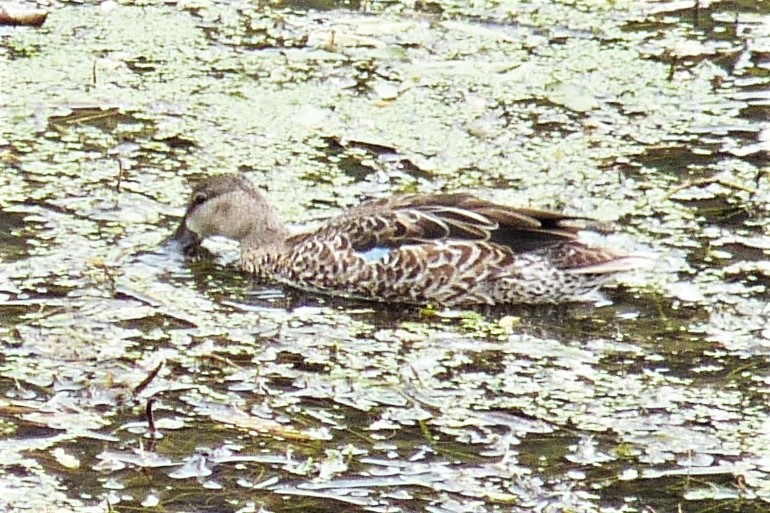
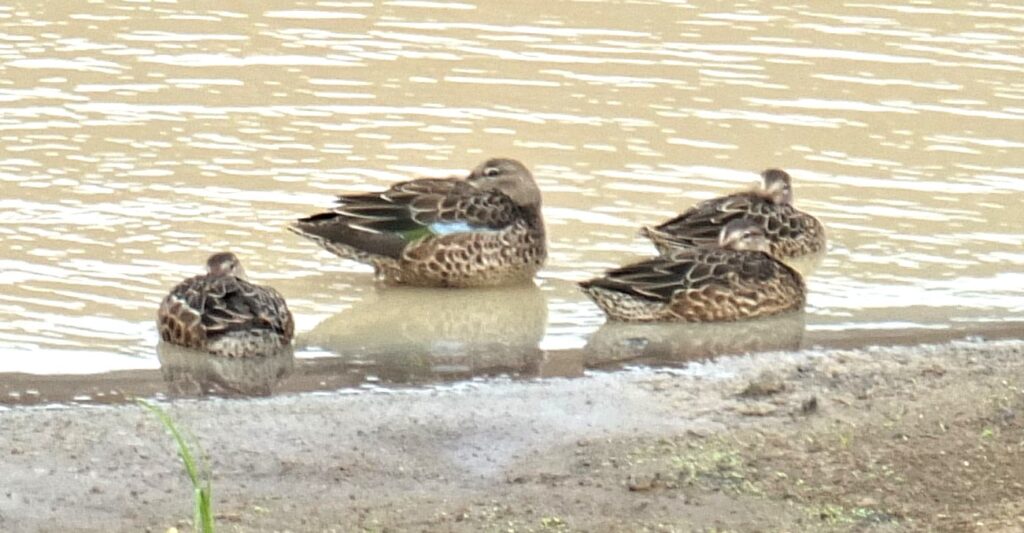
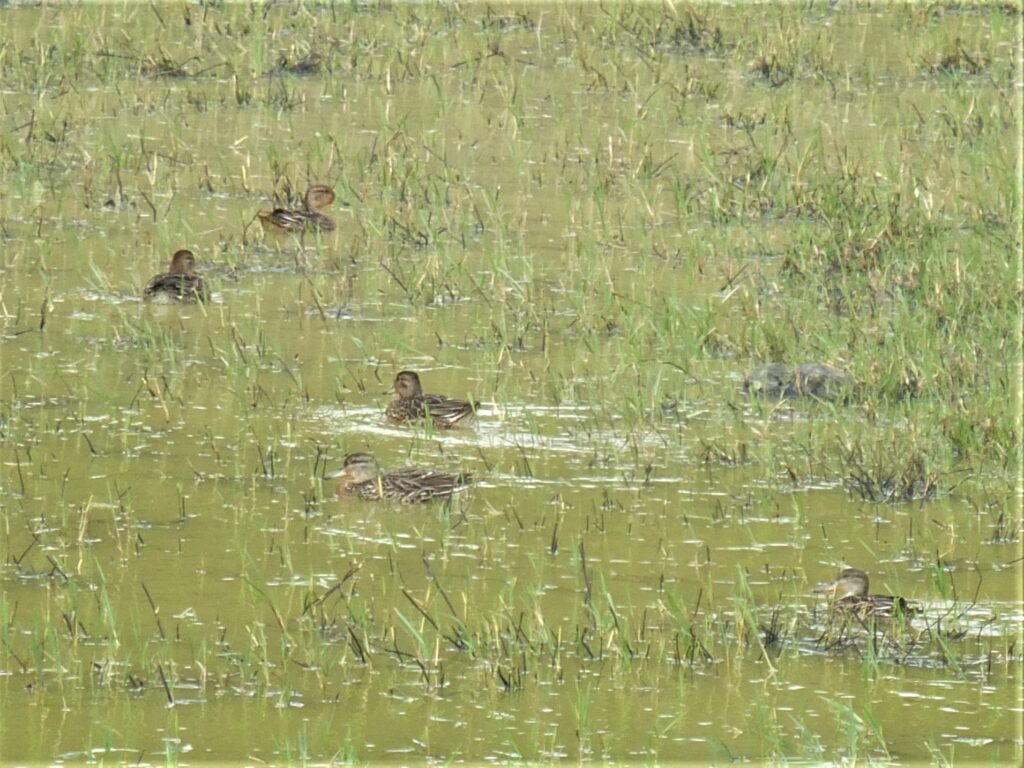
Blue-winged and Green-winged Teal occur annually, sometimes in small flocks. The jet-lagged four Blue-winged sleeping in the seasonal quarry lake (below) were outnumbered by up to nine Green-winged. No males, but dark cheek bars are obvious on most individuals.
My home patch in the Algarve offers fewer opportunities for wildfowl photography, but this Marbled Duck (below) was one of a pair that arrived at the coastal marsh of Boca do Rio in early April 2021. Another Algarve rarity was a Ferruginous Duck on the lake at Quinta do Lago, west of Faro.
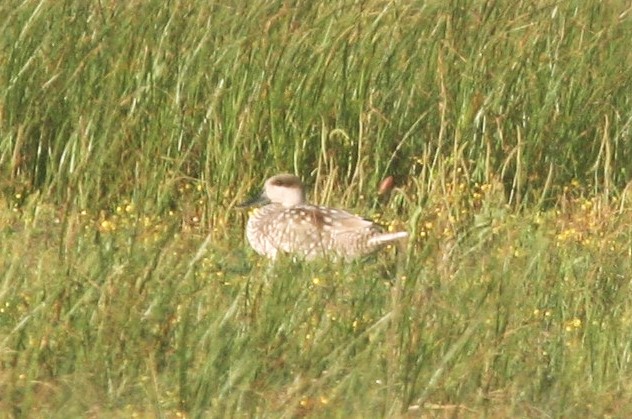
Marbled Duck
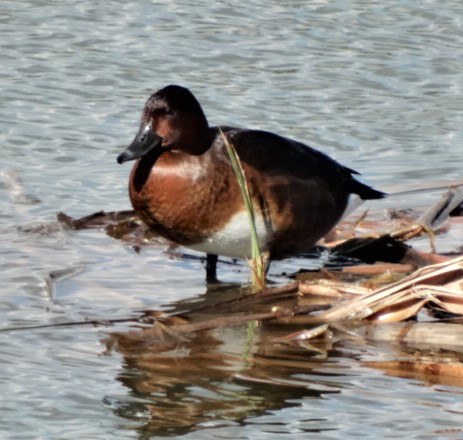
Ferruginous Duck